

Essays & Criticism3 min read
Eat, Gentlemen, Eat: You Are a Worker, Stay a Worker
The lie of “I have no choice” and the trap of self-exploitation. An anatomy of modern slavery through Sartre and Salgado, and the legal rights that set us free (Turkish Laws No. 4857 and 6331).
By artcycle
“Most people do not really want freedom, because freedom involves responsibility, and most people are frightened of responsibility.” Erich Fromm (attributed)
Injustice has a burning sting. Working on your feet in non-ergonomic conditions, riding a motorbike without a helmet, having to answer emails on your day off. Byung-Chul Han calls this modern slavery “self-exploitation”. The system does not whip us; it expects us to exploit ourselves in the name of “gold”, “success”, “performance” and “loyalty”. And we grow used to this “dark order”. We almost sleepwalk and become part of the machine that consumes us. Sartre calls this “bad faith” (mauvaise foi): the lies we tell ourselves to deny our own freedom and responsibility. “I had no choice”, “that’s how things are”, “what would change if I knew the law?” We consciously choose blindness.
This “choice not to know” gives birth to the guard of what Foucault calls “internalised power”. The boss no longer needs to watch us; we become our own guards. Instead of claiming our rights (Labour Law No. 4857 and Occupational Health and Safety Law No. 6331), we accept lawlessness as “normal”. This “dark order” is not an enemy outside; it is the “bad faith” within us. The call “Eat the rich”, attributed to Rousseau, is the most primitive outburst of this collective cowardice. This selection will show the price not of awareness but of unawareness. We aim to confront this dangerous numbness. We are all in this together; we are not alone.
Käthe Kollwitz – The Weavers’ Revolt (1897)
Käthe Kollwitz documents the revolt of the Silesian weavers in 1844. It is not a conscious pursuit of rights but a raw explosion born of hunger and misery. It is exactly Rousseau’s moment when “there is nothing left to eat”. Every moment in which individuals stay silent and look away in “bad faith” (Sartre) causes this collective, primitive rage to build up. This explosion is an answer from the old world. The modern “dark order”, however, does not allow such a loud revolt; it swallows revolt silently.
Sebastião Salgado – Gold Mine, Serra Pelada (1986)
Salgado’s gold mine at Serra Pelada is a modern cathedral of the “dark order”. There is no revolt here; there is a vast ritual of “self-exploitation” (Han). Every body is stuck in the mud of the system with the promise of “gold”. This is exactly the “objectified” individual Foucault speaks of. It is a state of numbness in which labour is exploited in its barest form and the laws (No. 4857 and 6331) mean nothing. This order stands on our silent consent, on the lie of “I have no choice”, and we say to the other, “come on, you obey too, stop being difficult”.
Every work in this short selection is a result of “bad faith” and of the lie “I have no choice”. Systematic violence begins the moment individuals abandon their own responsibility. The “dark order” is built with our silent consent. The cry “Eat the rich” is the last cry heard when the courage to use one’s own reason (Sapere Aude) cannot be shown. Exploited bodies are victims of the vast illusion called the “performance society”. The system feeds on our exhaustion and on every moment we stay silent to avoid trouble. The “dark order” keeps turning as long as we allow it.
“Eating the rich” is not a solution but a symptom. It is the last stop of unawareness. Where enlightenment (knowing one’s rights) begins, the need for this primitive violence disappears. The solution is to overthrow our own inner, Foucauldian guard. It begins by choosing “to know”. Reading the laws (Laws No. 4857, 6331 and 6284) and upholding them is not merely acquiring information. It is even a Sartrean act: taking back our freedom. The only answer to “bad faith” is an enlightened consciousness! The antidote to exploitation is knowledge!
READING NOTE
This is why knowing the law is vital (the laws below are Turkish):
- No. 4857 (Labour Law): the guarantee of your labour, your wages and your working hours.
- No. 6331 (Occupational Health and Safety Law): protects your safety at work and your life against those who leave you “no choice” but dangerous work, and against the fear of losing your job.
- Law No. 6284: one of the most important shields protecting you not only from domestic violence but also from stalking and psychological violence (mobbing).
Newsletter · Free, no account needed
New pieces in your inbox
We let you know when a new Journal piece is published. You can choose other topics too.

Related articles
Essays & Criticism ·
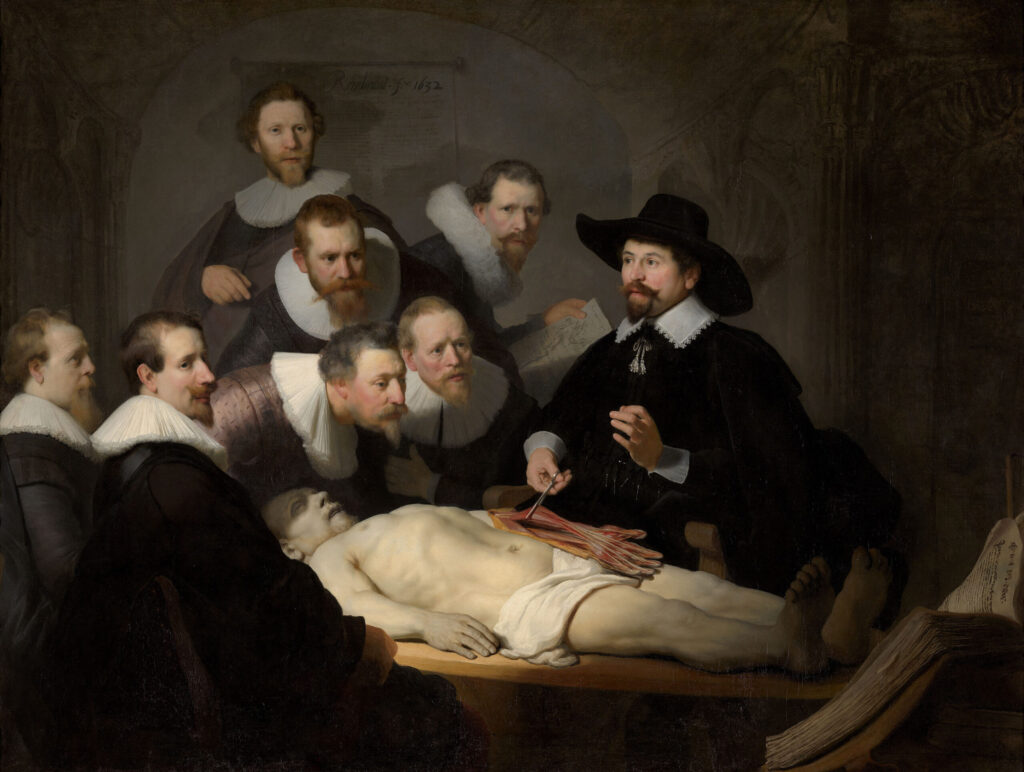
The Age Without Masters: Tutorial Hell
Knowledge passes on through people, not only through screens. From Rembrandt to Nam June Paik, we look at what is lost when learning happens alone and without a master.
Essays & Criticism ·
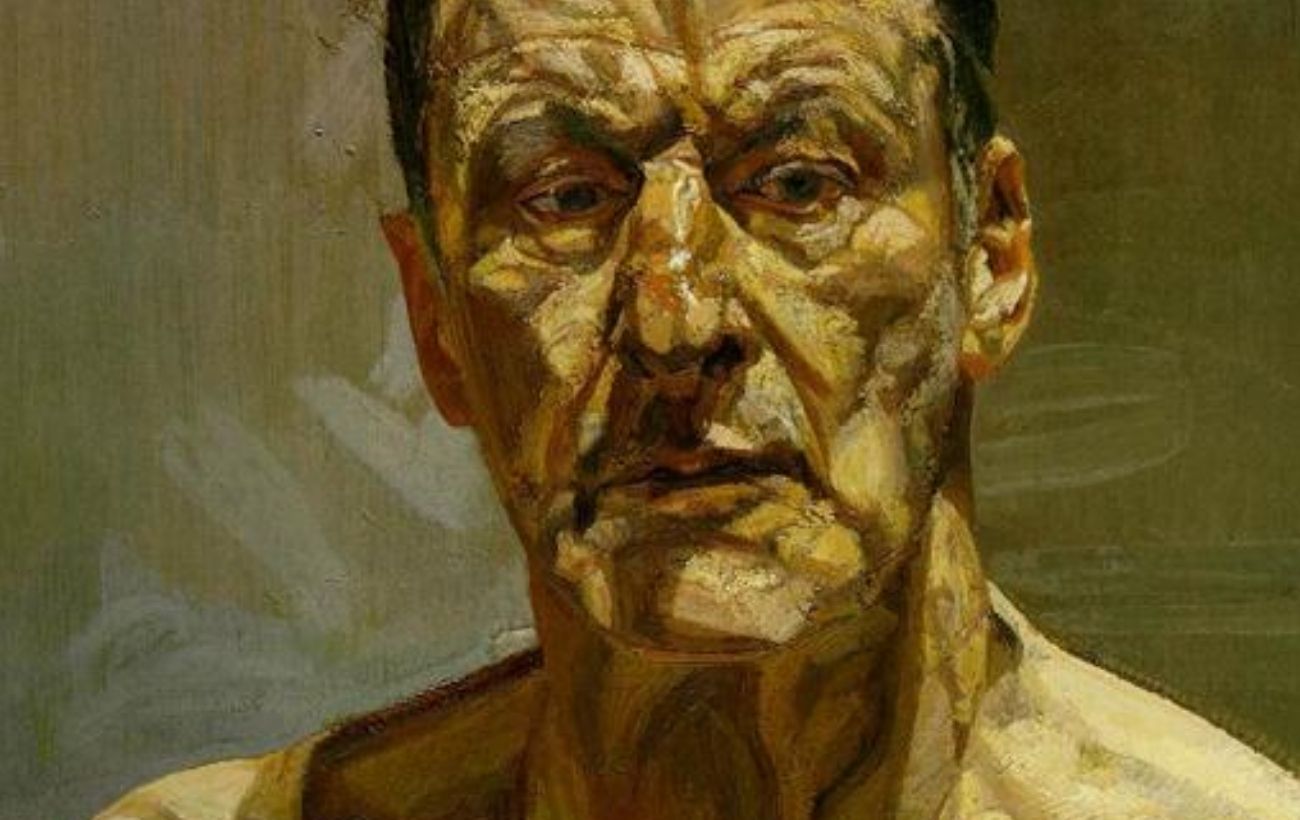
Indecision: The Weight of Choices
“Man is condemned to be free.” From Sartre to de Chirico, we explore through art how indecision is not a weakness but the existential burden of modern life.
Essays & Criticism ·
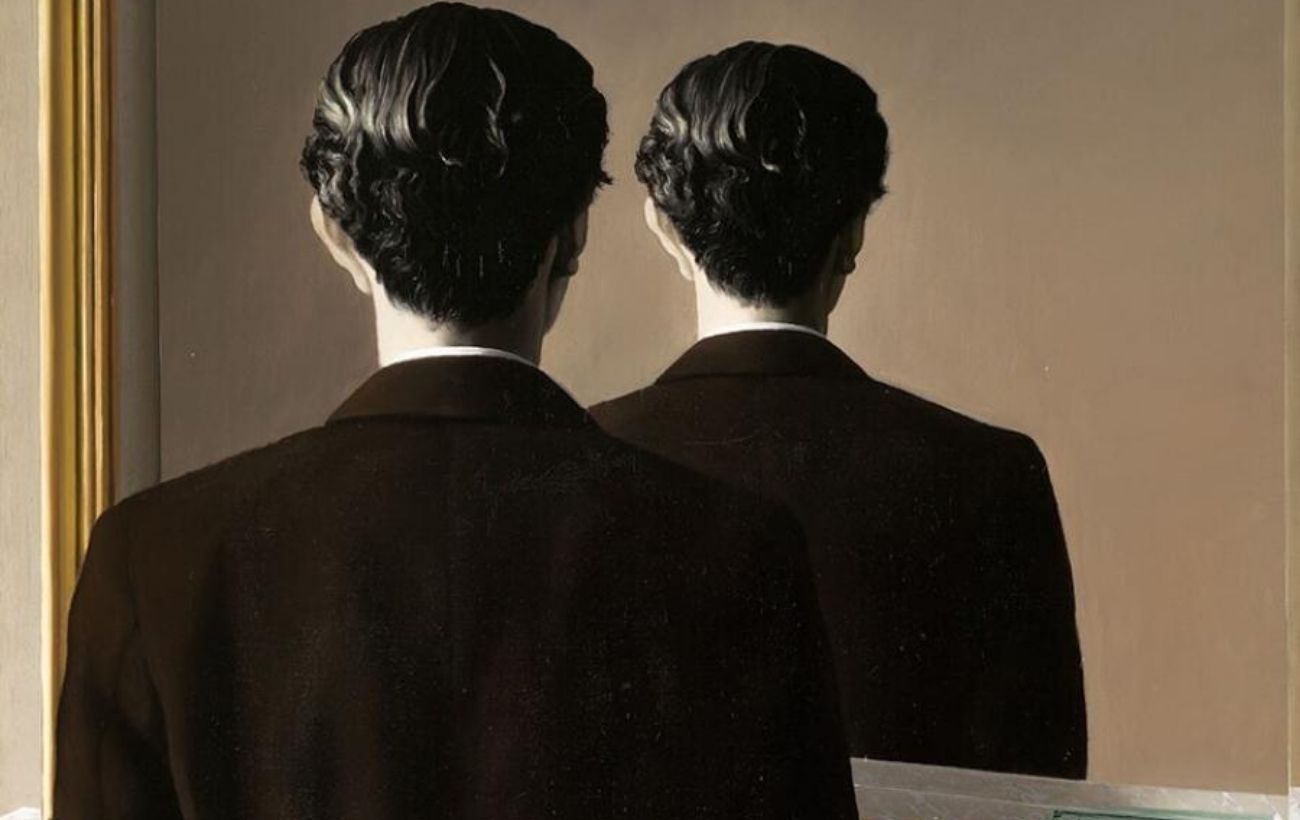
Absurd Creation: Making Art Without Seeking Meaning
Art does not console; it confronts. In the light of Albert Camus’s philosophy of the absurd, we look at the absurdity of existence in the works of Louise Bourgeois, Francis Alÿs and Bruce Nauman.


