

Existence & Spirituality3 min read
A Familiar Scene: The Unconscious Repetitions of Love
“Until you make the unconscious conscious, it will direct your life.” We read repetition in relationships, and the effort to repair, through Jung and Deleuze.
By artcycle
“Until you make the unconscious conscious, it will direct your life and you will call it fate.” Carl Jung
We think of love as a new beginning, yet we often find ourselves inside a familiar script. The same roles, similar dialogues and sometimes an inevitable, familiar ending. It is as if we keep looking for the same story in different faces. Is this fate, or is it the unconscious insisting on bringing an unresolved matter back onto the agenda? Whatever hurt us, broke us or left us lacking in the past, we keep confronting it in the present. We notice the repetition; it is there, but we cannot make sense of it.
Repetition is not like a prison; most of the time it is an effort at repair. We carry raw, painful experiences we have not been able to digest. The unconscious puts these traumas back on stage in order to finally process them. The aim, while repeating the scene from the past, is perhaps to write a different ending this time, to create a “difference” within repetition. In the end, love works as a mirror that shows us ourselves. What remains for us is either to witness a deep transformation or to run from that difficult confrontation.
Alberto Giacometti – The Chariot (1950)
A thin, fragile figure is mounted on a chariot with large wheels. The chariot is the cycle of familiar psychological patterns that we take for fate and that the unconscious forces on the individual. They are schemas. The individual stands on top of this machine of psychological cycles. This time the solution lies not in escaping the cycle but within its destructive rhythm. Transformation is the very ability to protect “one’s own delicate existence” without stepping back.
Doris Salcedo – Unland: The Orphan’s Tunic (1997)
Through two broken wooden tables “sewn” together with human hair, the work reveals the concrete and painful state of repair. Salcedo joins traumatic experience with memory and mourning (the hair) themselves. This meticulousness is the unconscious process of “digestion”. The fragments of the past are not ignored; on the contrary, they are accepted by passing through them. Like Bion’s idea of “containment”, the work does not deny trauma; it “digests” it and creates a new form, wounded but “whole”.
Roni Horn: You are the Weather (1994 to 1996)
At first glance, every frame of the series seems to repeat the “same” face. This is the illusion of “bare repetition” that traditional thought loves, the kind that makes thinking comfortable. This repetition is “bare” because it creates no “difference”; it only repeats the same… In fact the work creates not a copy but, each time, a unique new moment. We should look at that unique moment consciously, not as a repetition of fate, but seeing that both we and the other are transforming.
Art shows both the prison and the possible exit of these repeating scripts. The works we have looked at helped us understand how the ghosts of the past seep into our present scenes. They showed us that it is possible to repair those fractures and to find the potential for transformation hidden within every cycle. This potential lies not in abandoning the script but in finding, together, the will to rewrite it.
Here we can take refuge in Deleuze’s philosophy. He calls us to disturb our comfort and to a “difficult confrontation”. This confrontation requires accepting that the old script exists. It invites the individual to create a “different” meaning within that script, willingly. The invitation is to move from a passive repetition that is suffered to a creative, active repetition. Transformation lies not in escaping the script but in rewriting it.
READING NOTE
Gilles Deleuze: “Difference and Repetition”
The thinker of difference aims to break free from the “identity” model of traditional philosophy and to build a new philosophy grounded only in difference.
D.W. Winnicott: “Playing and Reality”
Winnicott argues that even adult relationships can be seen as a “play space” and that transformation takes place in this safe potential space.
Newsletter · Free, no account needed
New pieces in your inbox
We let you know when a new Journal piece is published. You can choose other topics too.

Related articles
Existence & Spirituality ·
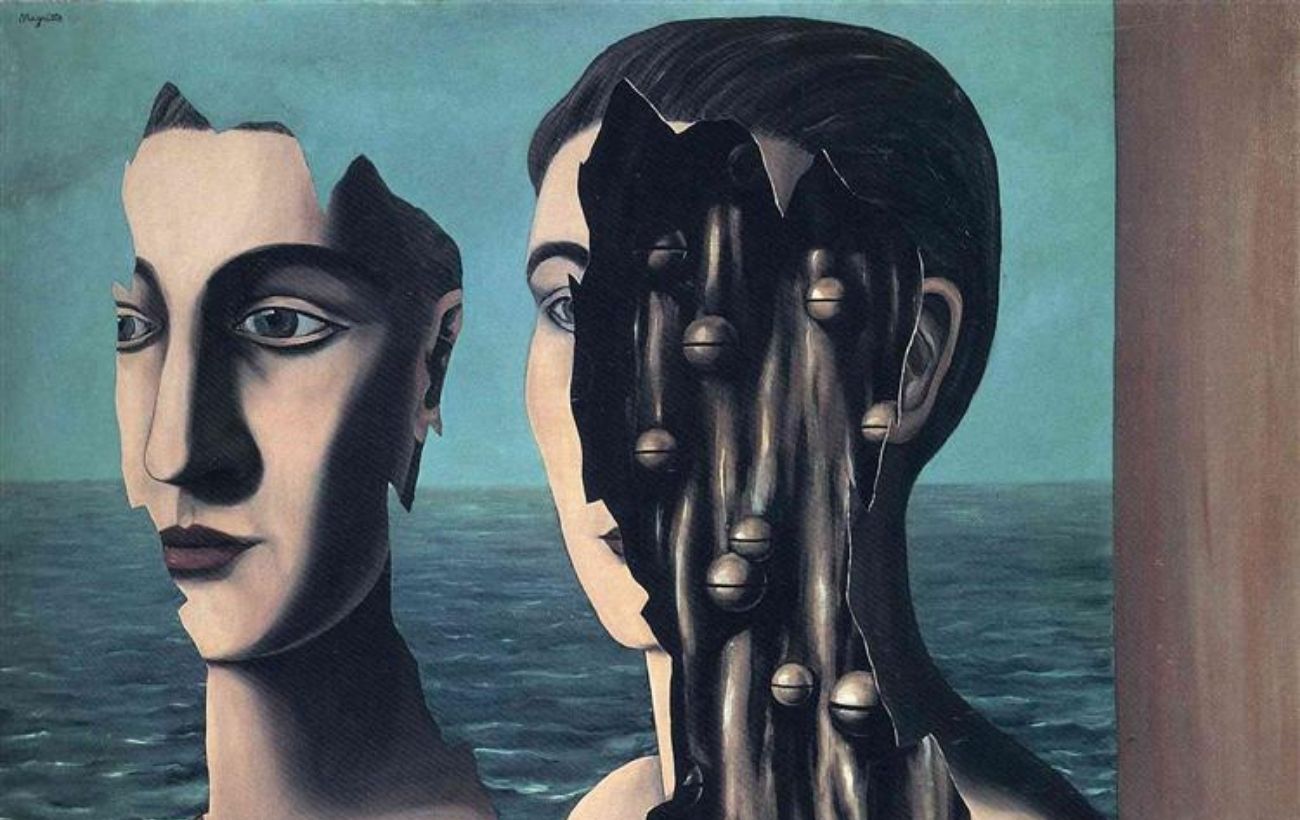
There Is Someone Else Inside Me: Coping and Making Peace with the Crowd Within
The feeling that “there is someone else inside me” is not an illness but the mind’s shelter. We explore dissociation as an art of reconciliation through Phil Stutz and Magritte.
Existence & Spirituality ·
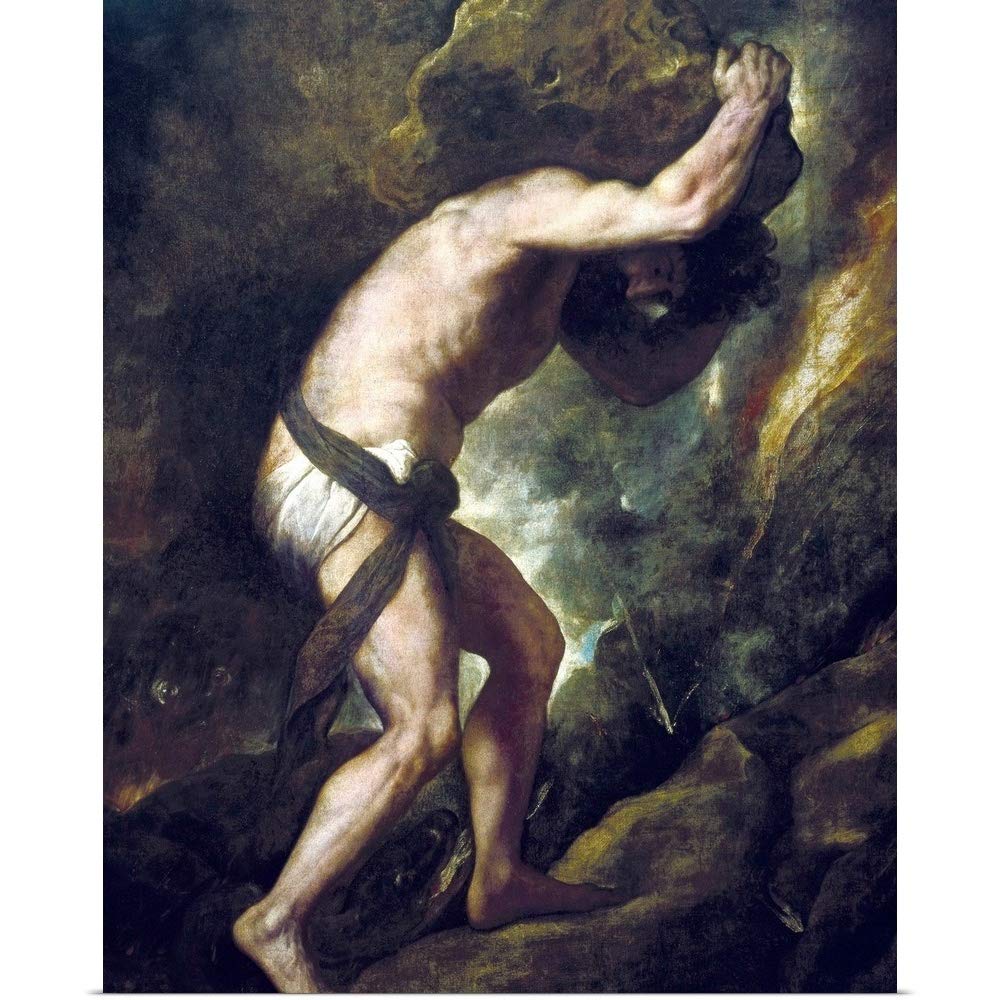
The Art of Sisyphus: The Aesthetics of Persistence
“One must imagine Sisyphus happy.” We explore Camus’s absurd hero and the aesthetics of persistence through examples from art history, from Titian to Stuck.
Existence & Spirituality ·
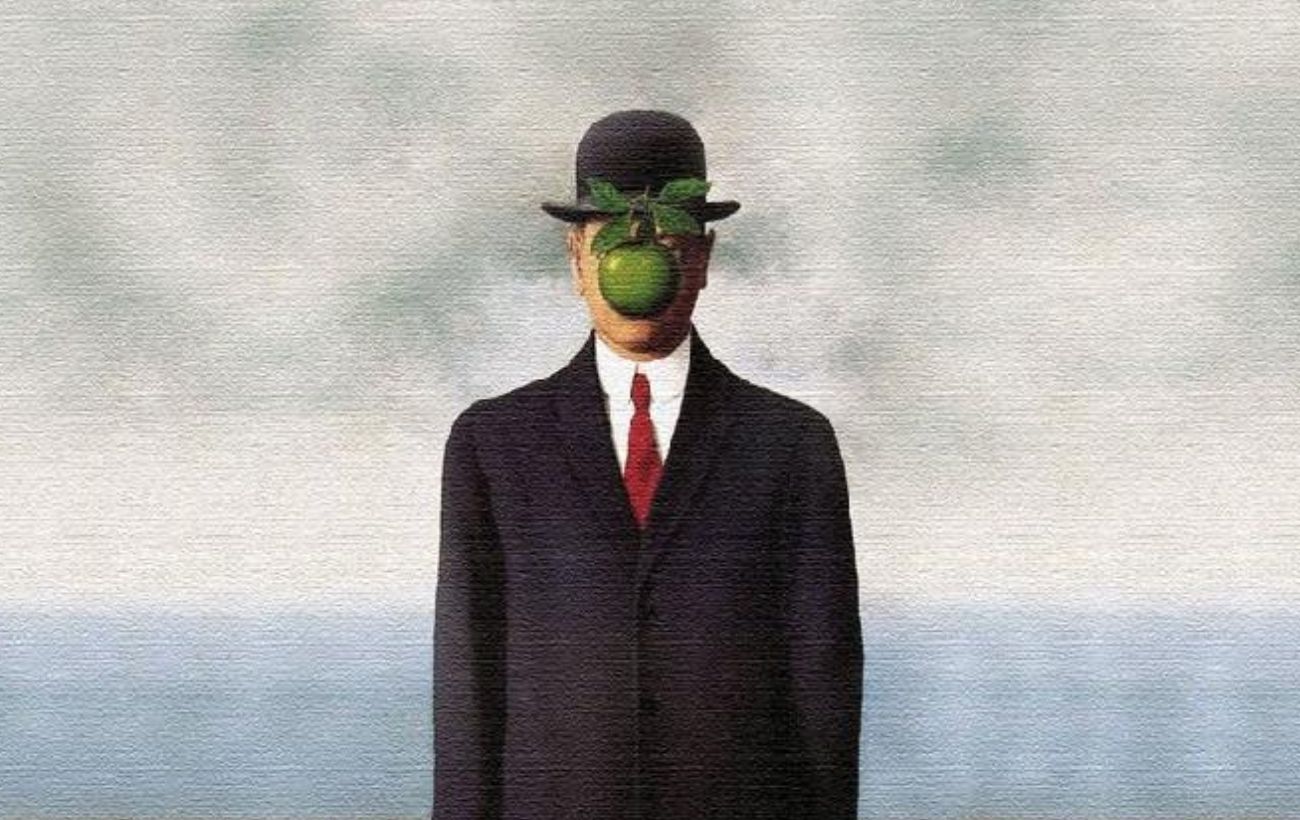
Surreal Reality: Dreams, the Unconscious and Art
The pure reality that appears when reason lets go of control. We explore surrealism through the language of dreams and the liberation of the unconscious.


