
Existence & Spirituality3 min read
Surreal Reality: Dreams, the Unconscious and Art
The pure reality that appears when reason lets go of control. We explore surrealism through the language of dreams and the liberation of the unconscious.
By artcycle
Freud said dreams were a door to the unconscious, while Jung saw them as carriers of universal symbols. These images are not mere fantasy; they are echoes of the fears, longings and past we suppress. A dreamlike painting can sometimes say more than a therapist. Part of the truth is seen only when we are not awake.
Salvador Dalí: The Persistence of Memory
With its melting clocks, Dalí’s work symbolises the relativity of time and the elasticity of human memory. The soft clocks lying across a calm landscape blur the border between dream and reality. The painting reflects the artist’s unconscious images and Freud’s psychoanalytic theories.
Leonora Carrington: Lovers (1987)
Carrington’s work depicts two figures lying in bed inside a tent, surrounded by mysterious robed figures. The symbols and figures in the painting reflect the artist’s interest in mystical and occult references. The composition offers a narrative that questions the spiritual and bodily sides of love.
Max Ernst: Europe After the Rain II
Ernst’s work depicts a landscape ruined after war, with decaying organic forms. It reflects the devastating effects of the Second World War and the harm war does to nature and humanity. Using surrealist techniques, the artist explores the dark sides of the unconscious.
The painting reminds us that dreams can be dark too.
Remedios Varo: Exploration of the Source of the Orinoco River
Varo’s work depicts a woman searching for the source of a river, combining mystical and scientific elements. The painting symbolises the artist’s journey of inner enlightenment and self-realisation. The composition works with themes of alchemy and spiritual discovery.
Yayoi Kusama: Infinity Mirror Rooms
Kusama’s installations create a feeling of infinity with mirror-lined rooms and lights. Through their own reflections and the repetition of lights, viewers question the relationship between the self and the universe. These works reflect the artist’s lifelong obsessions and psychological experiences.
David Lynch: Fire (Pozar)
Full of abstract and disturbing images, Lynch’s short animation explores the dark sides of the unconscious. In the film, symbols such as fire, a house and a tree represent primal fears and the destructive energy of nature. The work takes the viewer on a journey into the depths of the unconscious.
The language of dreams speaks in images more than in words.
To decode this language, artists open the doors of the unconscious. When they descend into the passages of their own inner worlds, they reach universal emotions. The deepest meanings are hidden not in words but in images. And in these images we trace our own selves.
Newsletter · Free, no account needed
New pieces in your inbox
We let you know when a new Journal piece is published. You can choose other topics too.
From Discover
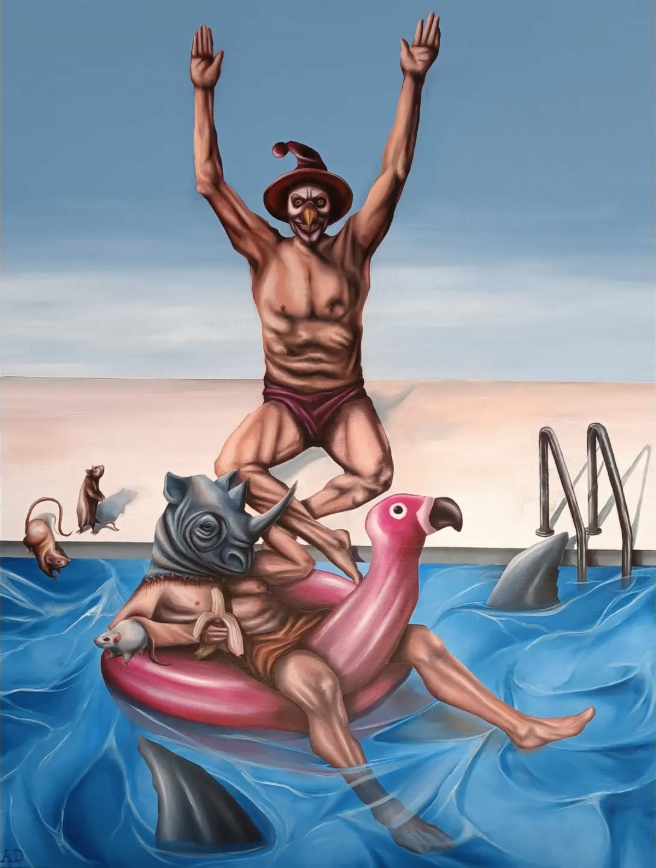
Whoever Resembles Whom Walks That Way
Acrylic and oil on canvas, 2024
130 × 120 cm · 51.2 × 47.2 in
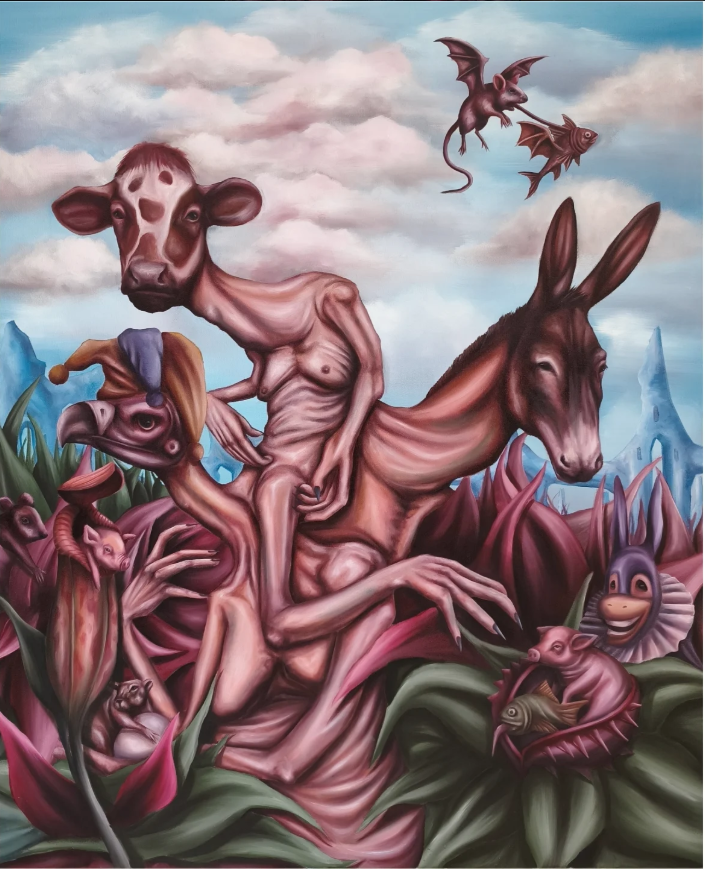
When We Woke, Our Bodies Were Not Our Own
Oil on canvas, 2025
120 × 100 cm · 47.2 × 39.4 in


Related articles
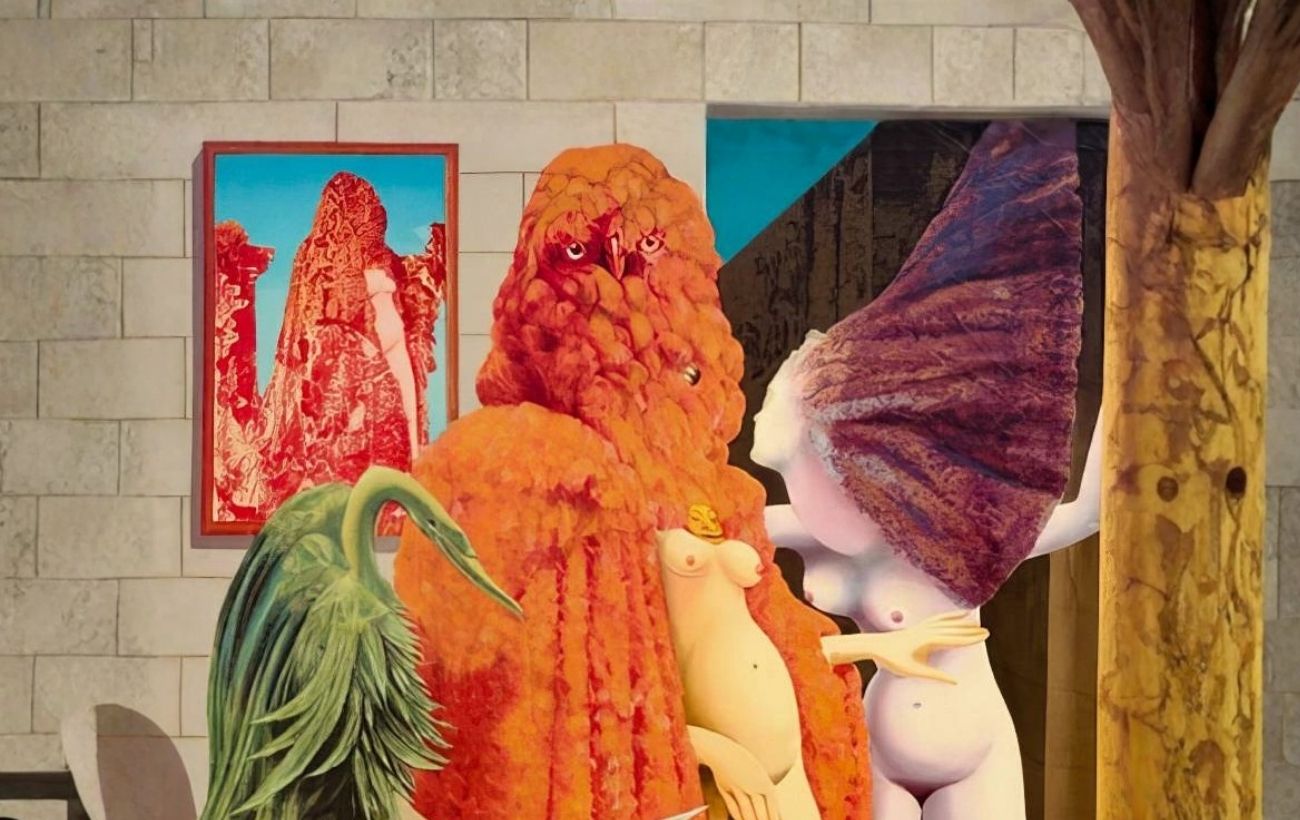
Existence & Spirituality ·
A Familiar Scene: The Unconscious Repetitions of Love
“Until you make the unconscious conscious, it will direct your life.” We read repetition in relationships, and the effort to repair, through Jung and Deleuze.
Existence & Spirituality ·
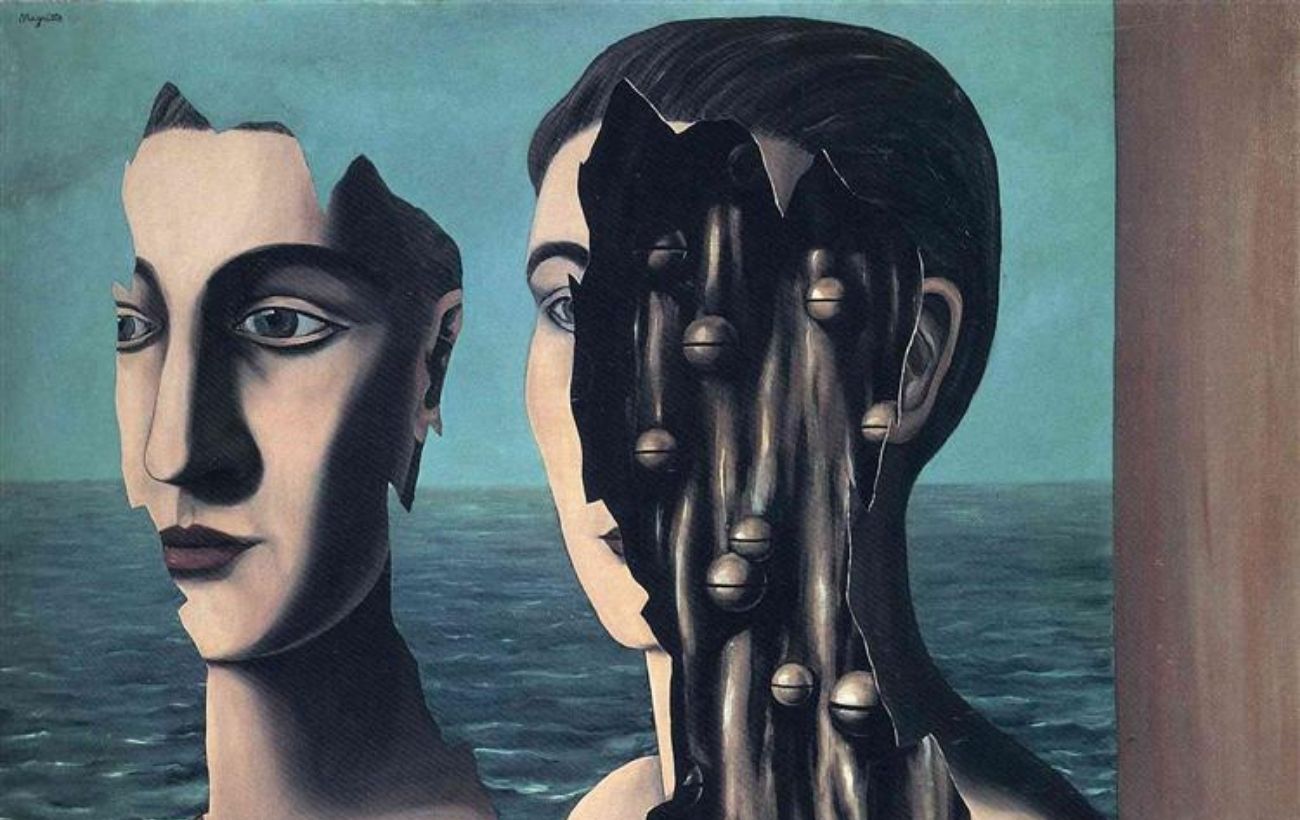
There Is Someone Else Inside Me: Coping and Making Peace with the Crowd Within
The feeling that “there is someone else inside me” is not an illness but the mind’s shelter. We explore dissociation as an art of reconciliation through Phil Stutz and Magritte.
Existence & Spirituality ·
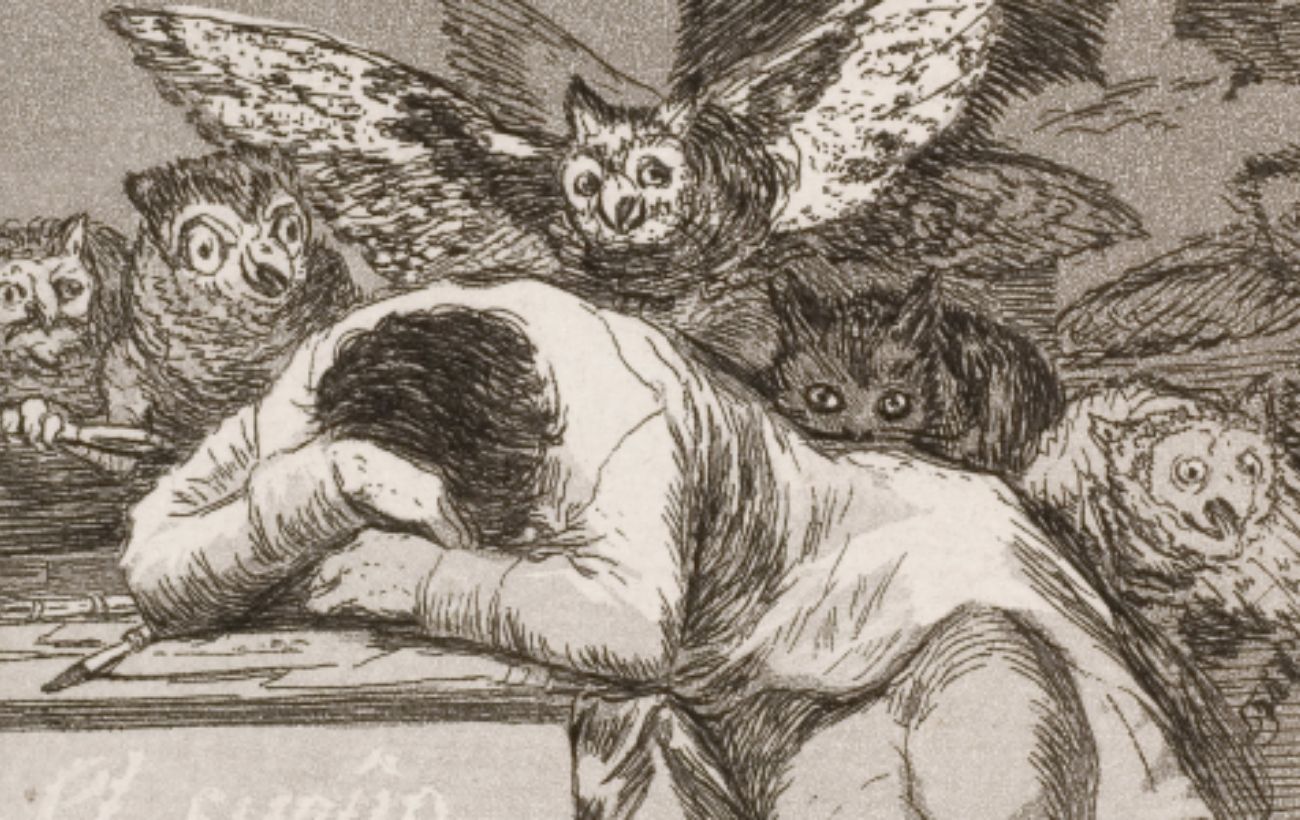
Confrontation: Meeting Inner and Outer Truths
“The heaviest burden a person can carry is themselves.” From Jung to Goya, we look through art at the moments of confrontation we run from, and at our shadow.


