

Anatomy of an Artwork2 min read
Anatomy of an Artwork #1: Frida Kahlo, The Two Fridas (1939)
“When your heart is left exposed, what do you mend it with?” We read Frida Kahlo’s most personal self-portrait, “The Two Fridas”, through the divided self and identity.
By artcycle

Some paintings come before words.
Frida’s “The Two Fridas” is a double portrait of a self split by heartbreak. The painting is an anatomy of a woman’s inner war.
And its heart has been left exposed so that we can witness that war.
What Do We See at First Glance?
Two women sit side by side. Both of them are Frida.
But one wears a white, European-style dress; the other wears traditional Tehuana clothing.
They hold hands, yet the real bond between them is their exposed hearts and veins.
Like two faces of one self.
What Do the Heart, Vein and Scissors Tell Us?
The heart of the Frida in Tehuana dress is intact, and she holds an amulet containing a childhood photograph of Diego Rivera. The other Frida’s heart is exposed; her vein has been cut with the scissors in her hand, and the bleeding stains her dress.
On the one hand, this symbolises the end of her relationship with Diego; on the other, the emotional pain of the children she lost through miscarriage.
What Does the Clothing Say About Identity?
The clothing reflects Frida’s conflict of identity.
The Tehuana Frida is the Frida whom Diego Rivera loved: strong, attached to her roots, indigenous Mexican. The European Frida is perhaps the rejected side, the one left alone.
The two figures are like a visualisation of a self shattered by the end of a love.
What Do the Colours and Background Evoke?
The grey-blue sky creates the feeling of a stormy atmosphere.
The dominant white and red of the work evoke the border between death and life. The blood dripping onto the European Frida’s dress stains purity and innocence. The whole composition is like an outward reflection of a melancholic inner world.
Newsletter · Free, no account needed
New pieces in your inbox
We let you know when a new Journal piece is published. You can choose other topics too.

Related articles
Anatomy of an Artwork ·
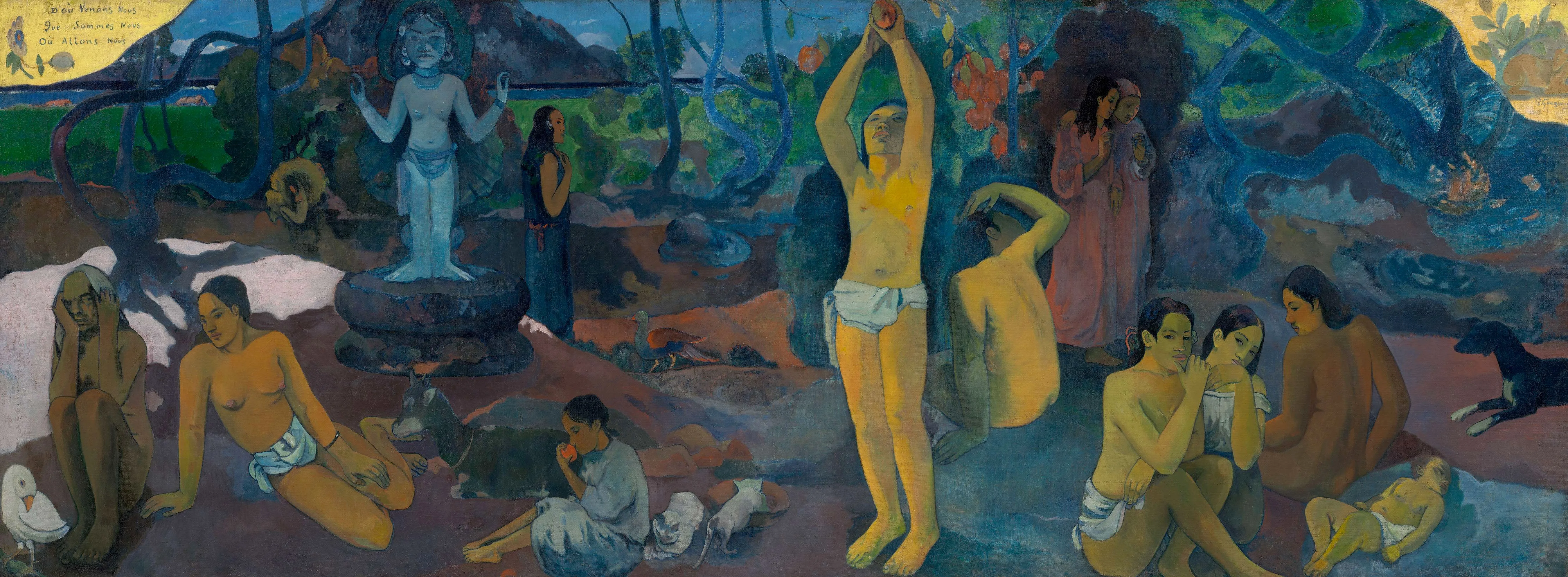
Anatomy of an Artwork #3: Paul Gauguin, Where Do We Come From? What Are We? Where Are We Going? (1897)
“Can the three great questions of existence fit into a single painting?” We explore the visual testament Gauguin created in Tahiti and the cyclical anatomy of life.
Anatomy of an Artwork ·
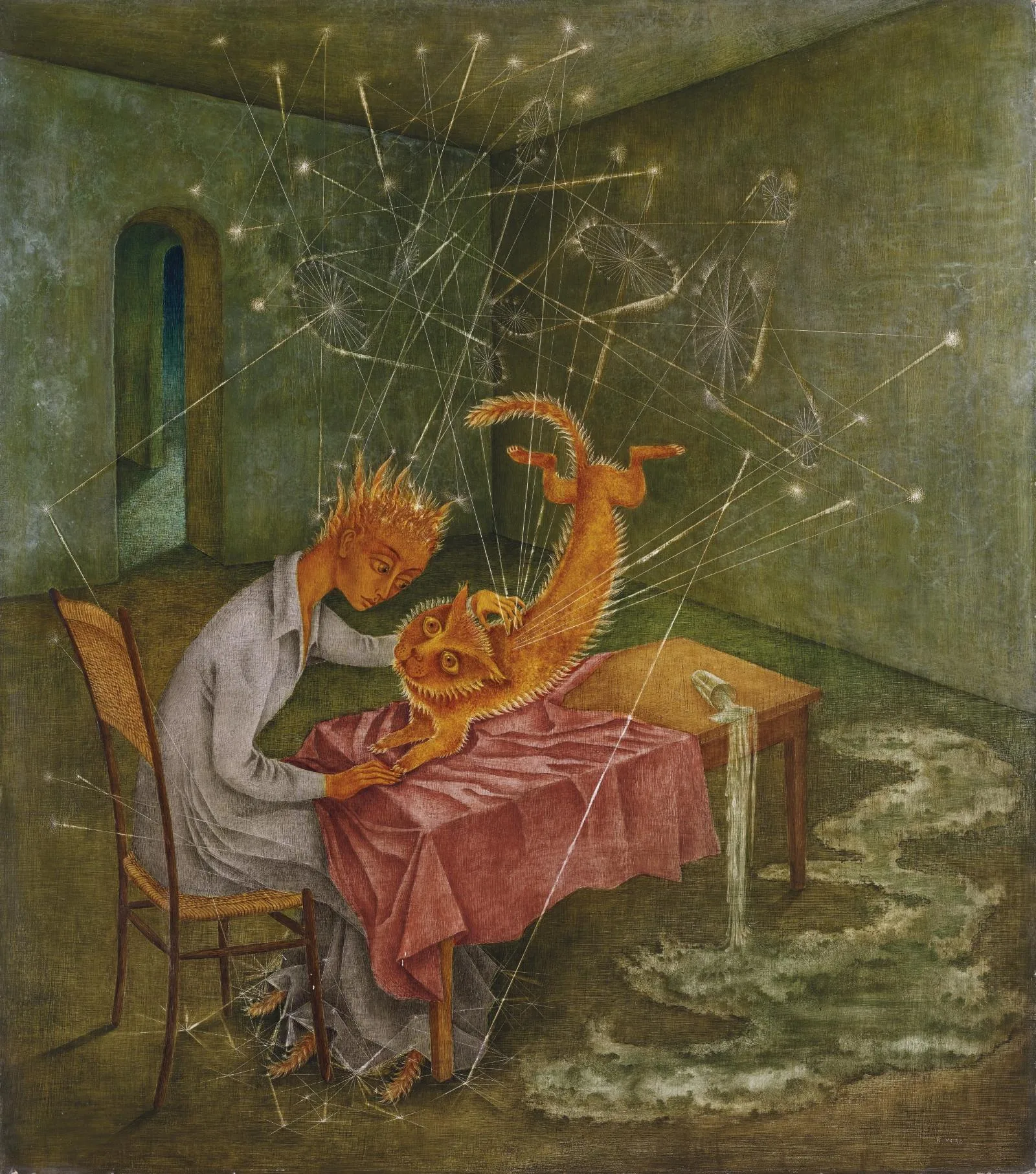
Anatomy of an Artwork #2: Remedios Varo, Sympathy (1955)
In Remedios Varo’s Sympathy we explore the anatomy of cat, woman and cosmic bonds. Sympathy or empathy? A surrealist search for tenderness.
Essays & Criticism ·
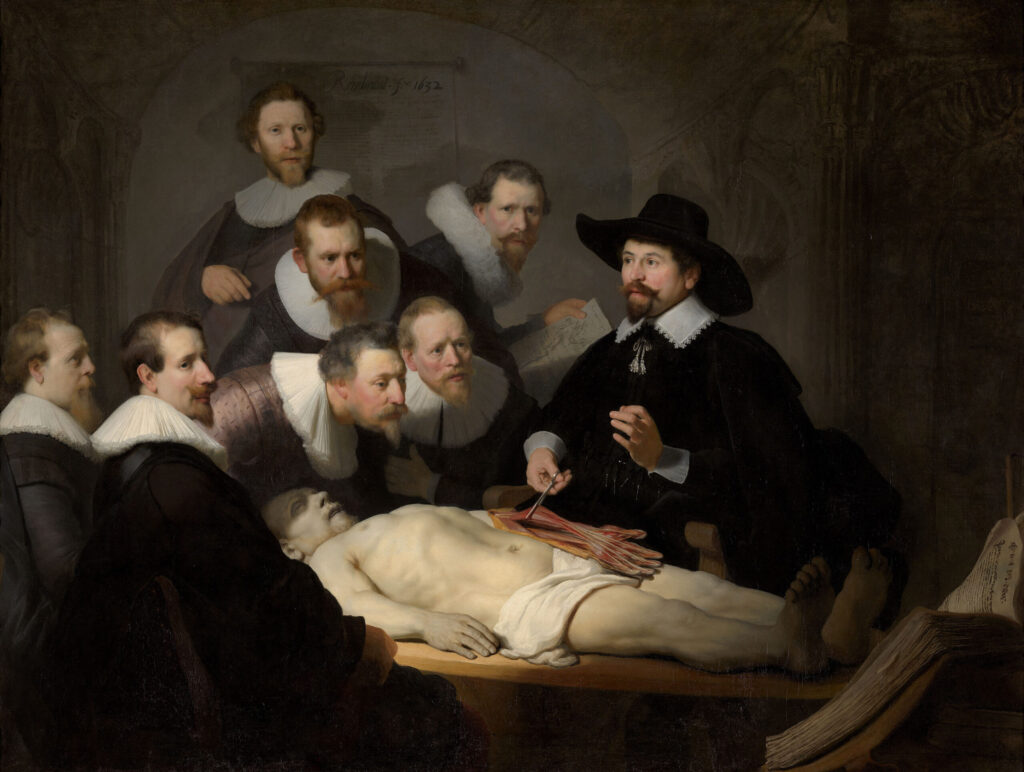
The Age Without Masters: Tutorial Hell
Knowledge passes on through people, not only through screens. From Rembrandt to Nam June Paik, we look at what is lost when learning happens alone and without a master.


