

Anatomy of an Artwork2 min read
Anatomy of an Artwork #3: Paul Gauguin, Where Do We Come From? What Are We? Where Are We Going? (1897)
“Can the three great questions of existence fit into a single painting?” We explore the visual testament Gauguin created in Tahiti and the cyclical anatomy of life.
By artcycle

These three questions are not only the title of Gauguin’s painting; they are also humanity’s oldest existential quest. Accompanying us from the moment we open our eyes, these questions are a call to consciousness woven from faith, death, identity and time. On Gauguin’s canvas, answers to them are sought both personally and universally, through nature and figures.
At First Glance, What Story Does the Painting Tell?
Think of this huge painting, made by Gauguin in Tahiti, as a stage: moving from left to right, we witness a cycle of life. A newborn baby, the searches of youth, pensive adult figures and, in one corner, the silence of death… This is not only a painting; it is a visual poem of the human condition.
How Does the Composition Order the Three Questions?
- Where do we come from? (left): a naked baby representing birth and the women watching over it. Beginning, innocence and instinctive existence.
- What are we? (centre): young women, a figure picking fruit and a man lost in thought. Consciousness, the body, desires and the question of identity.
- Where are we going? (right): an old, crouching woman; the inevitability of death and time. The strange animal figure behind her is perhaps the symbol of the unknown, of the world beyond.
What Emotions Do Colour and Light Convey?
Using warm yet still colours, Gauguin gives the scene a mystical air. The contrasts between the blue night and the orange skin tones emphasise the transience of life and human helplessness. There is no dramatic expression on the figures’ faces; each is absorbed in itself.
What Do the Details Tell Us?
- White bird: the strange white bird at the upper right is interpreted as “the soul that cannot speak”. It may be a metaphor for death or for the unconscious.
- Figure holding an apple: the woman in the middle section holds an apple. This refers to knowledge, sin and awareness: the legacy of Adam and Eve.
- Nakedness: all the figures are natural, unadorned. This presents a human condition stripped of the layers of civilisation: plain, vulnerable, genuine.
Gauguin’s State of Mind: A Farewell?
When he made this painting, Gauguin was beset by physical illness, poverty and the cultural loneliness he felt in Tahiti. In a state of mind drifting ever further from life, he treated the painting not only as a work of art but also as an inner reckoning. It is no accident that he wrote the painting’s title, not his signature, in its corner: this painting is his reckoning with life, a kind of visual testament.
Today we still wrestle with the same questions: Who are we? Where do we belong? And what lies at the end of the road? Gauguin’s work is far more than an individual narrative: it is a picture of collective existence, a bridge of consciousness built between past and future.
Newsletter · Free, no account needed
New pieces in your inbox
We let you know when a new Journal piece is published. You can choose other topics too.

Related articles
Anatomy of an Artwork ·
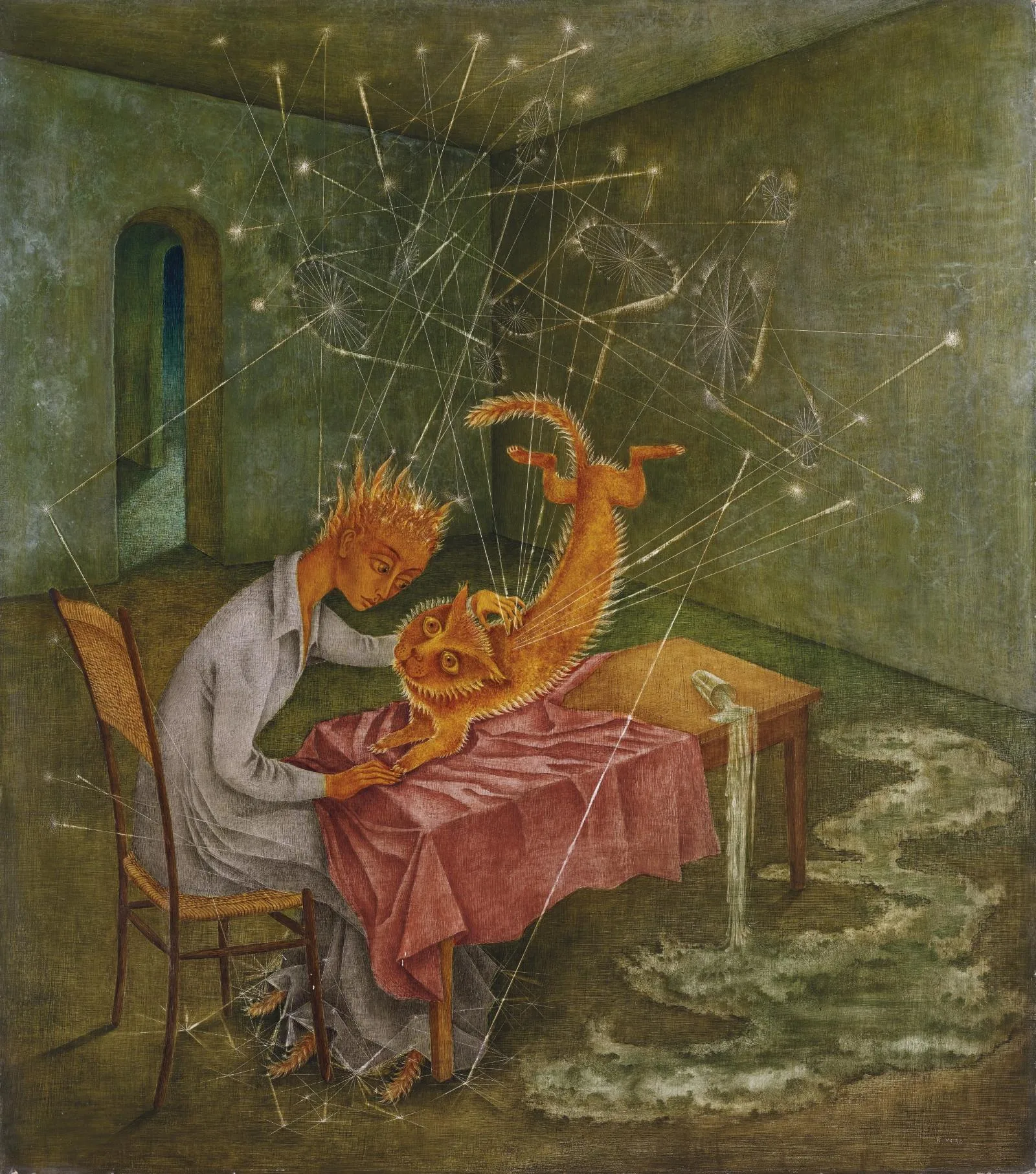
Anatomy of an Artwork #2: Remedios Varo, Sympathy (1955)
In Remedios Varo’s Sympathy we explore the anatomy of cat, woman and cosmic bonds. Sympathy or empathy? A surrealist search for tenderness.
Anatomy of an Artwork ·
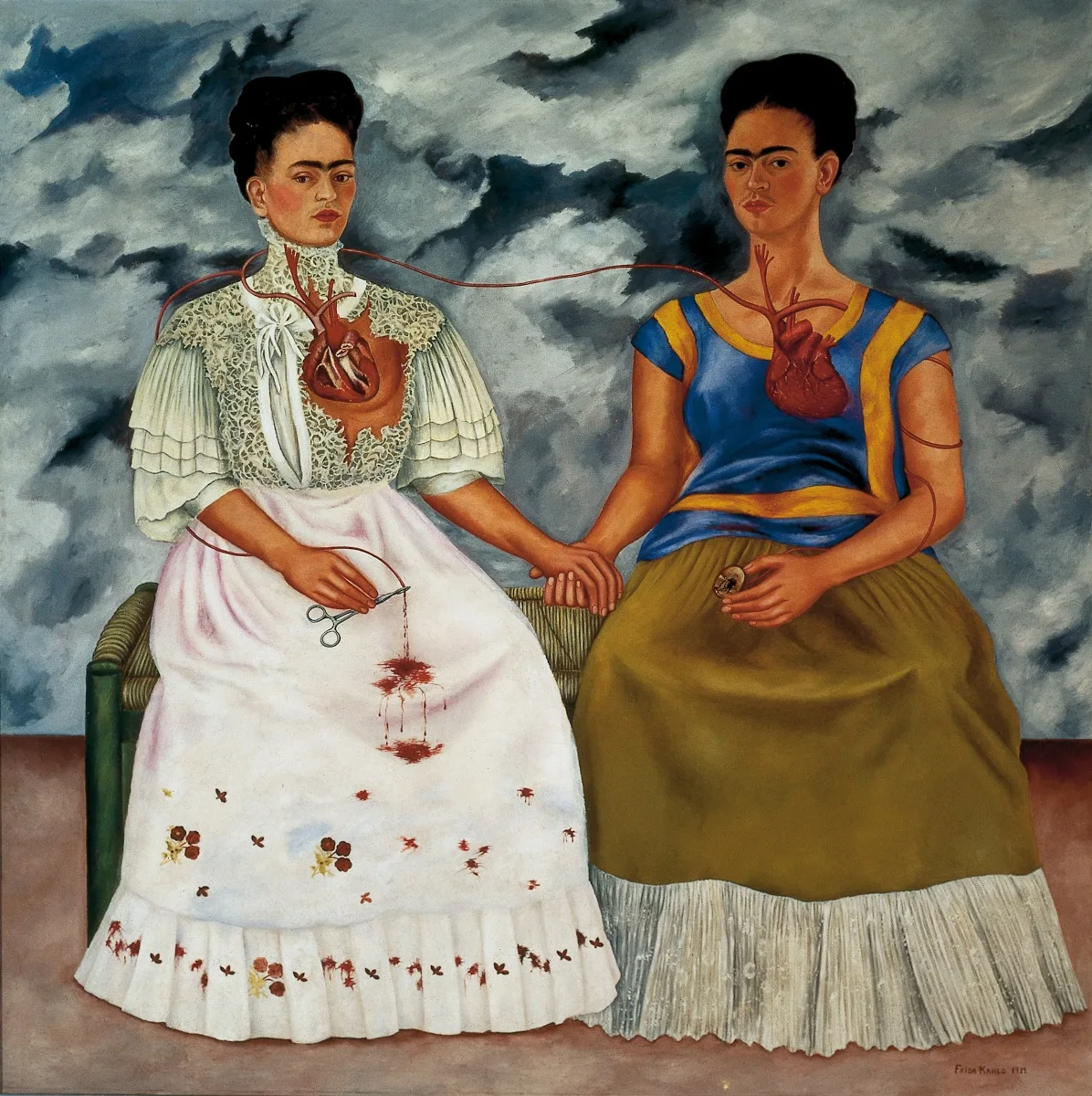
Anatomy of an Artwork #1: Frida Kahlo, The Two Fridas (1939)
“When your heart is left exposed, what do you mend it with?” We read Frida Kahlo’s most personal self-portrait, “The Two Fridas”, through the divided self and identity.
Existence & Spirituality ·
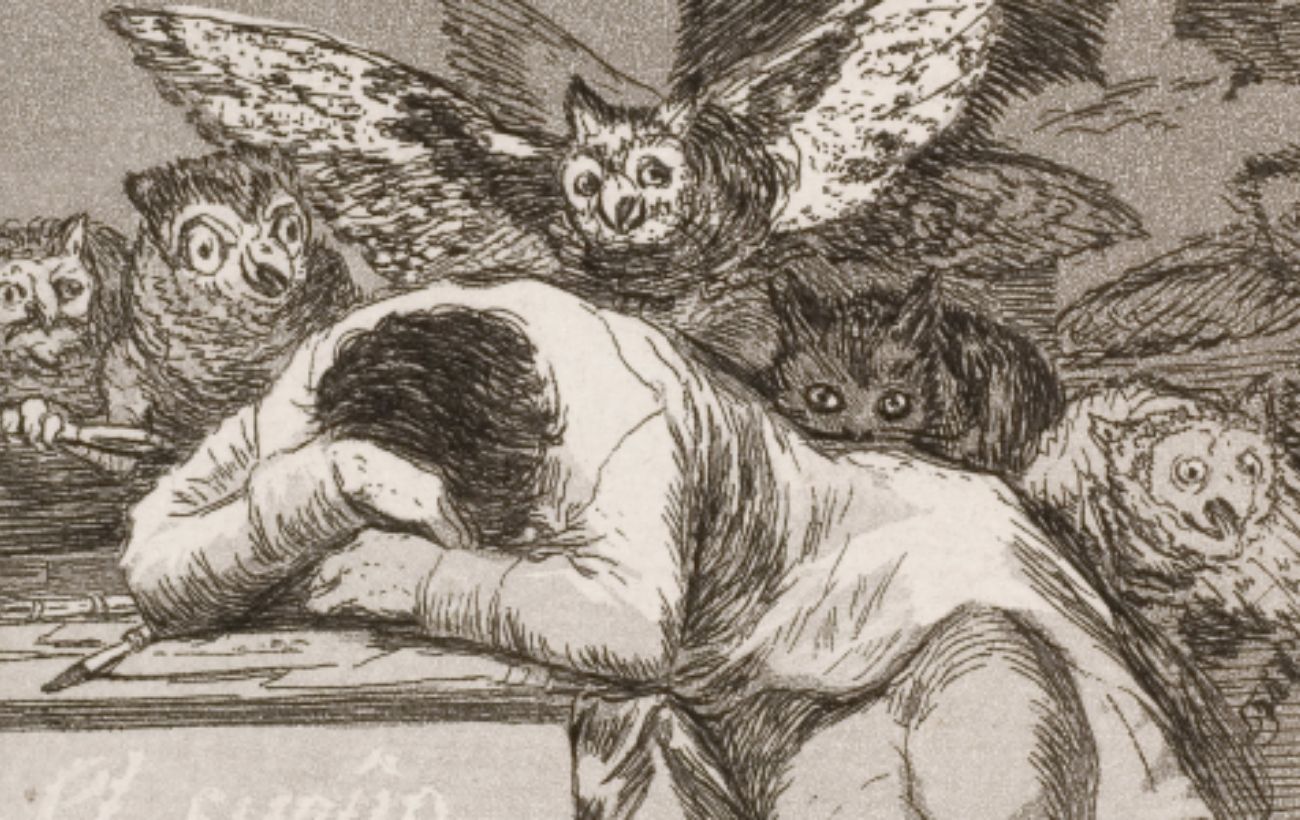
Confrontation: Meeting Inner and Outer Truths
“The heaviest burden a person can carry is themselves.” From Jung to Goya, we look through art at the moments of confrontation we run from, and at our shadow.


