

Existence & Spirituality3 min read
Confrontation: Meeting Inner and Outer Truths
“The heaviest burden a person can carry is themselves.” From Jung to Goya, we look through art at the moments of confrontation we run from, and at our shadow.
By artcycle

“To find oneself, one must first learn to look one’s own shadow in the face.” Carl Gustav Jung, The Archetypes and the Collective Unconscious
Confrontation is the most fragile yet most transformative moment of the self: desires and fears, the conscious and the unconscious face each other on the same stage. From a psychoanalytic point of view, it is a field in which individuals settle accounts not only with the past but also with their own suppressed sides.
On the philosophical plane, confrontation is also a test of freedom. As Sartre noted, the human being is “condemned to be free”, and this freedom shows itself mercilessly in moments when we cannot postpone a choice. Here art becomes not only a witness but also a mirror: it not only shows us ourselves, it also puts before us the question of whether we can escape what we see.
Egon Schiele – Self-Portrait with Hands on Chest (1910)
The artist exposes his own fragile body with naked honesty. The position of his hands evokes both defence and opening. Schiele turns confronting himself into a form of aesthetic confession.
Käthe Kollwitz – Woman with Dead Child (1903)
The mother’s body merging with her child is the barest form of confronting death. Through individual mourning, Kollwitz reflects the universal pain of war. Here confrontation carries the cruelty of making peace with the inevitable.
Francisco Goya: Saturn Devouring His Son (1819 to 1823)
The father figure devouring his son is like a dark allegory of Freud’s Oedipus complex. Through myth, Goya stages the human confrontation with destructive drives. Here violence is the naked face of suppressed desires.
Serap Lokmacı – Portrait from Ashes (2025)
A portrait made from the ashes of a loss is a radical aesthetic form of confronting death. The artist turns the irreversibility of loss into a creative form. Here confrontation is mourning made visible.
Confrontation is not an end; it represents a threshold that keeps recurring. People are condemned to meet both their past and their own shadow again and again. Although these encounters are sometimes painful, they hold the most powerful moments of transformation.
In the spirit of Nietzsche: the heaviest burden a person can carry is themselves. Art puts the image of this burden before us and calls us to look instead of running away. Looking is itself the recognition of our fragility and the first step towards transformation.
Viewing Note
Ingmar Bergman: Persona (1966)
A masterpiece on identity, silence and confrontation.
Joshua Oppenheimer: The Act of Killing (2012)
A harrowing documentary that stages perpetrators confronting their own crimes.
Newsletter · Free, no account needed
New pieces in your inbox
We let you know when a new Journal piece is published. You can choose other topics too.

Related articles
Existence & Spirituality ·
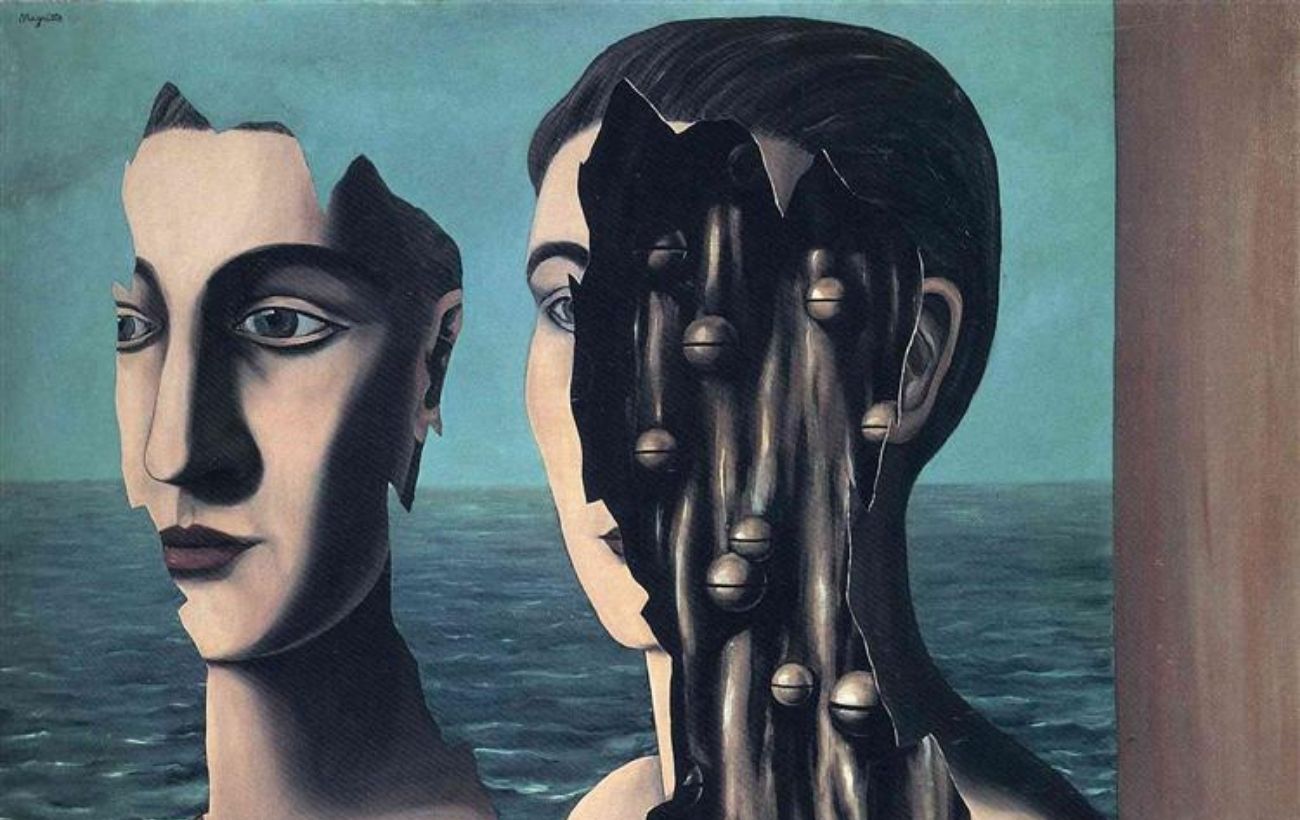
There Is Someone Else Inside Me: Coping and Making Peace with the Crowd Within
The feeling that “there is someone else inside me” is not an illness but the mind’s shelter. We explore dissociation as an art of reconciliation through Phil Stutz and Magritte.
Existence & Spirituality ·
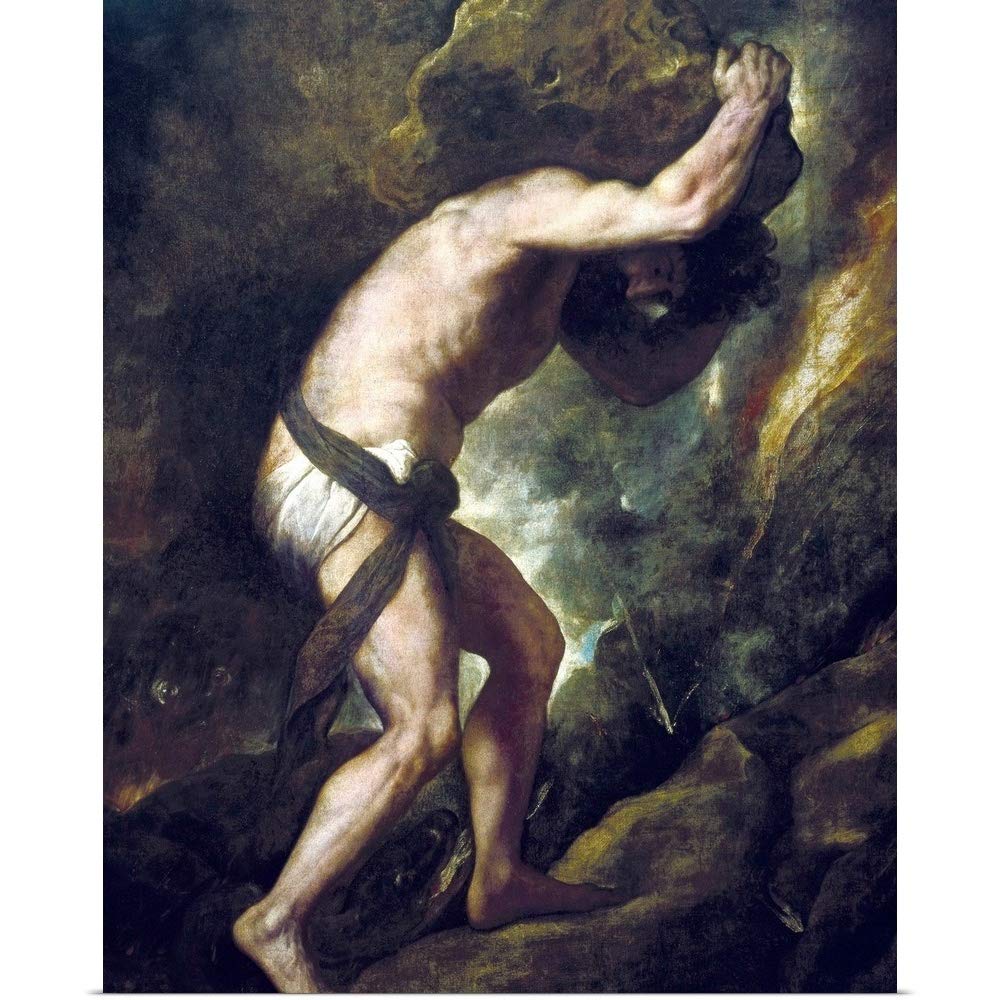
The Art of Sisyphus: The Aesthetics of Persistence
“One must imagine Sisyphus happy.” We explore Camus’s absurd hero and the aesthetics of persistence through examples from art history, from Titian to Stuck.
Existence & Spirituality ·
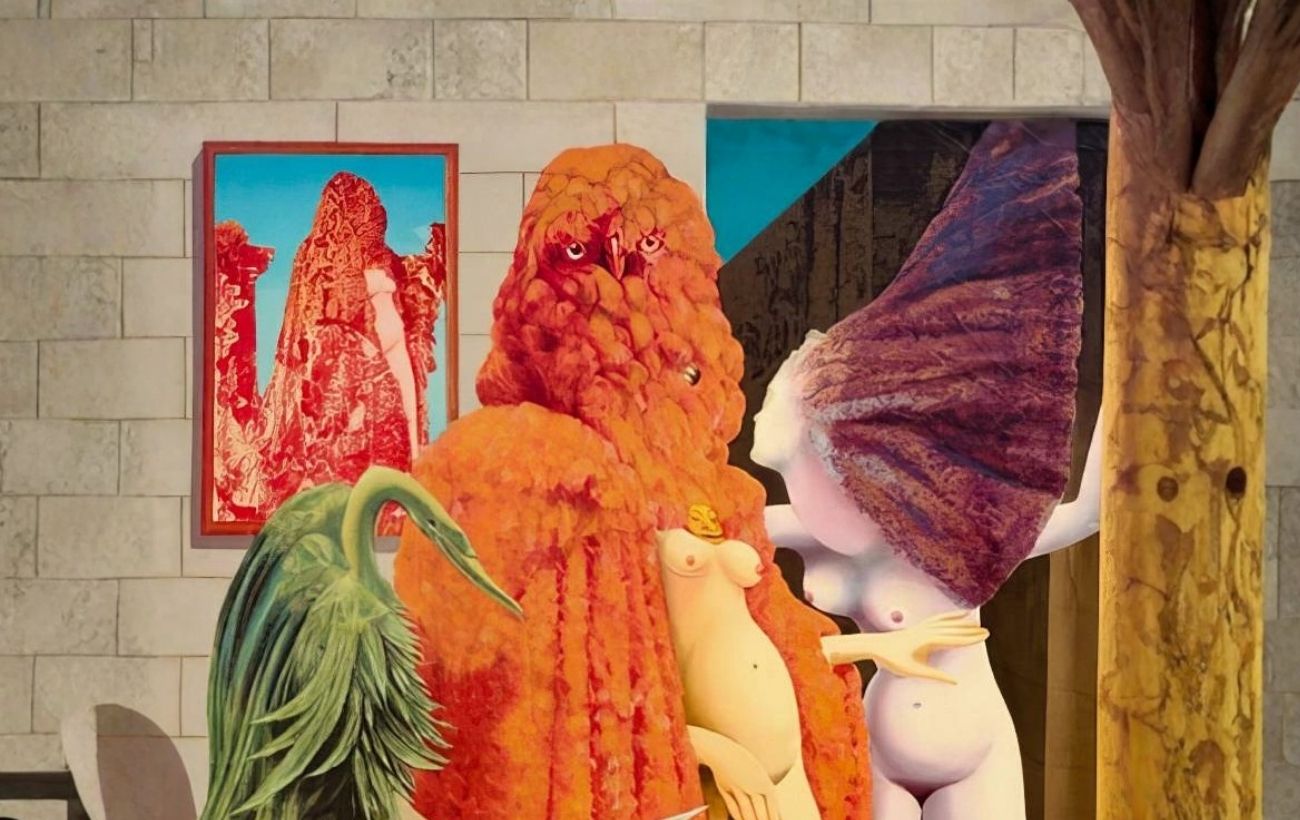
A Familiar Scene: The Unconscious Repetitions of Love
“Until you make the unconscious conscious, it will direct your life.” We read repetition in relationships, and the effort to repair, through Jung and Deleuze.


