

Essays & CriticismArt & Seeing2 min read
See Like a Child: The Power of Naive Art
We explore naive art, which chooses feeling over technique and simplicity over complexity. From Rousseau to Pirosmani, the aesthetics of a childlike view of the world.
By artcycle
Naive art is a form of expression that values feeling over technique. Like a child’s pure and unprejudiced view of the world, this art tells complicated things in a plain language. Sometimes a bird drawn by a child can be more effective than a critique of the system, because this art puts intuition and inner reality at its centre.
Grandma Moses: “Sugaring Off”
The American artist Moses began painting at the age of 70 and became one of the iconic names of naive art. Her work “Sugaring Off” depicts rural life in a cheerful, sincere language. Carrying the clarity of childhood memories, the painting naively brings the past and the present together.
Henri Rousseau: “The Dream”
Rousseau had no formal training in painting but stood out for his imagination; this work represents a tropical dream world. “The Dream” is one of the most emblematic examples of naive art. The complexity of the composition and its fairy-tale telling are enchanting.
Séraphine Louis: “Tree of Paradise”
The works of this French cleaning woman, painted at night, came to be admired by the art world over time. “Tree of Paradise” builds a bond between nature and spirit with a mesmerising palette. Louis’s works are like a map of an inner world.
Niko Pirosmani: “Deer”
The Georgian naive artist Pirosmani tells of nature and everyday life with simple but striking figures. In “Deer” he awakens tenderness in the viewer through the innocence of the animal. The pure love children feel for animals can be felt directly in this work.
Nusret Çolpan: “Istanbul Miniatures”
Nusret Çolpan’s miniature-style works have an attention to detail and a harmony of colour reminiscent of children’s books. Painting Istanbul as a fantastical city, he takes the viewer on a timeless journey. Like a child creating visual fairy tales, he offers a discovery in every detail.
Naive art is a celebration of intuition and sincerity beyond technique and academic knowledge. To see like a child is to look at the world again, with pure attention. This way of seeing reminds us of the depth we have lost, both in art and in life. Perhaps the answers to the deepest questions are hidden in the simplest lines.
Newsletter · Free, no account needed
New pieces in your inbox
We let you know when a new Journal piece is published. You can choose other topics too.
From Discover
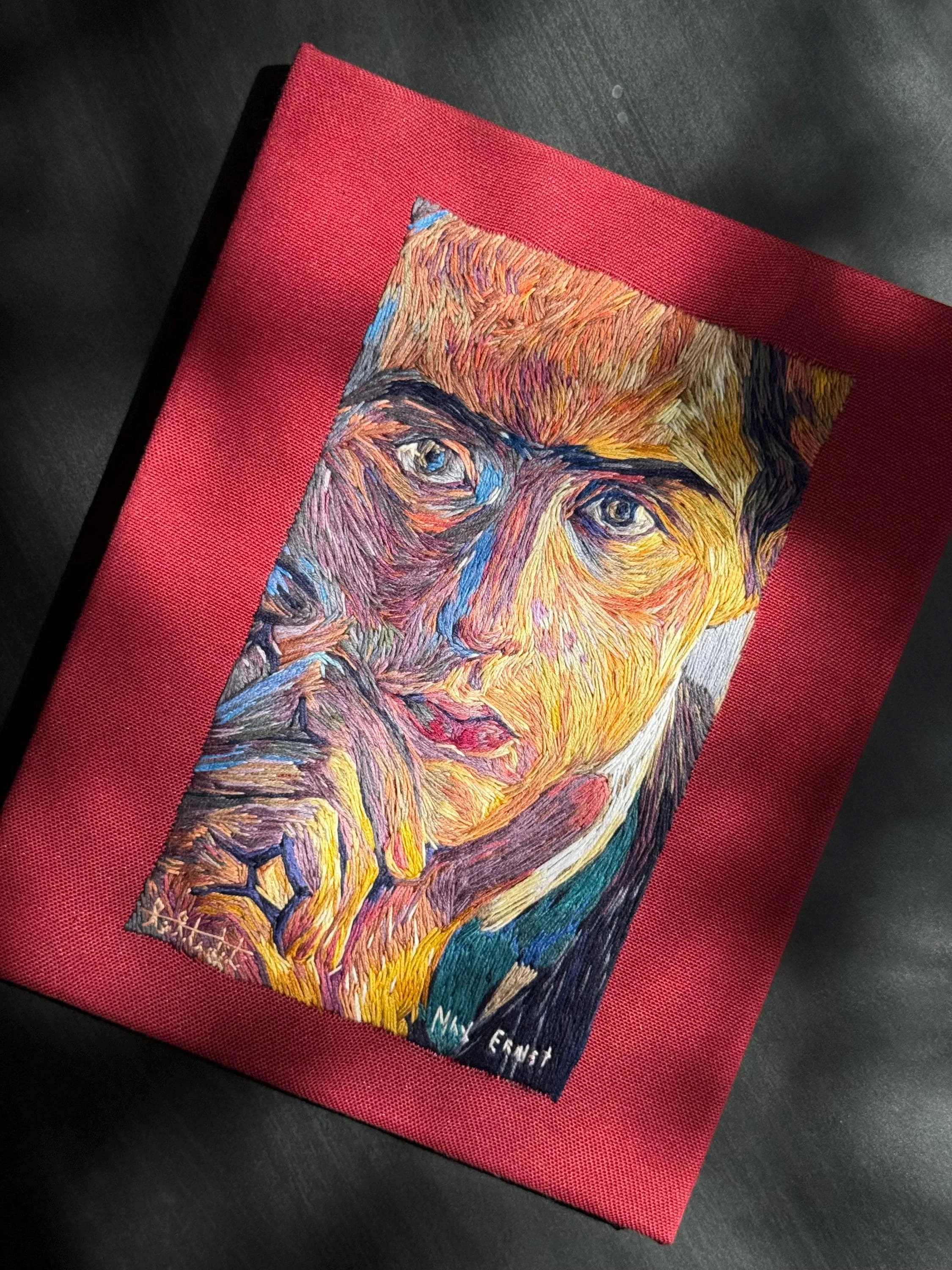
Max Ernst: Self-Portrait (1909), Needle Painting
Embroidery, fabric, thread (cotton, mouliné), 2024
25.5 × 20.5 × 2 cm · 10 × 8.1 × 0.8 in
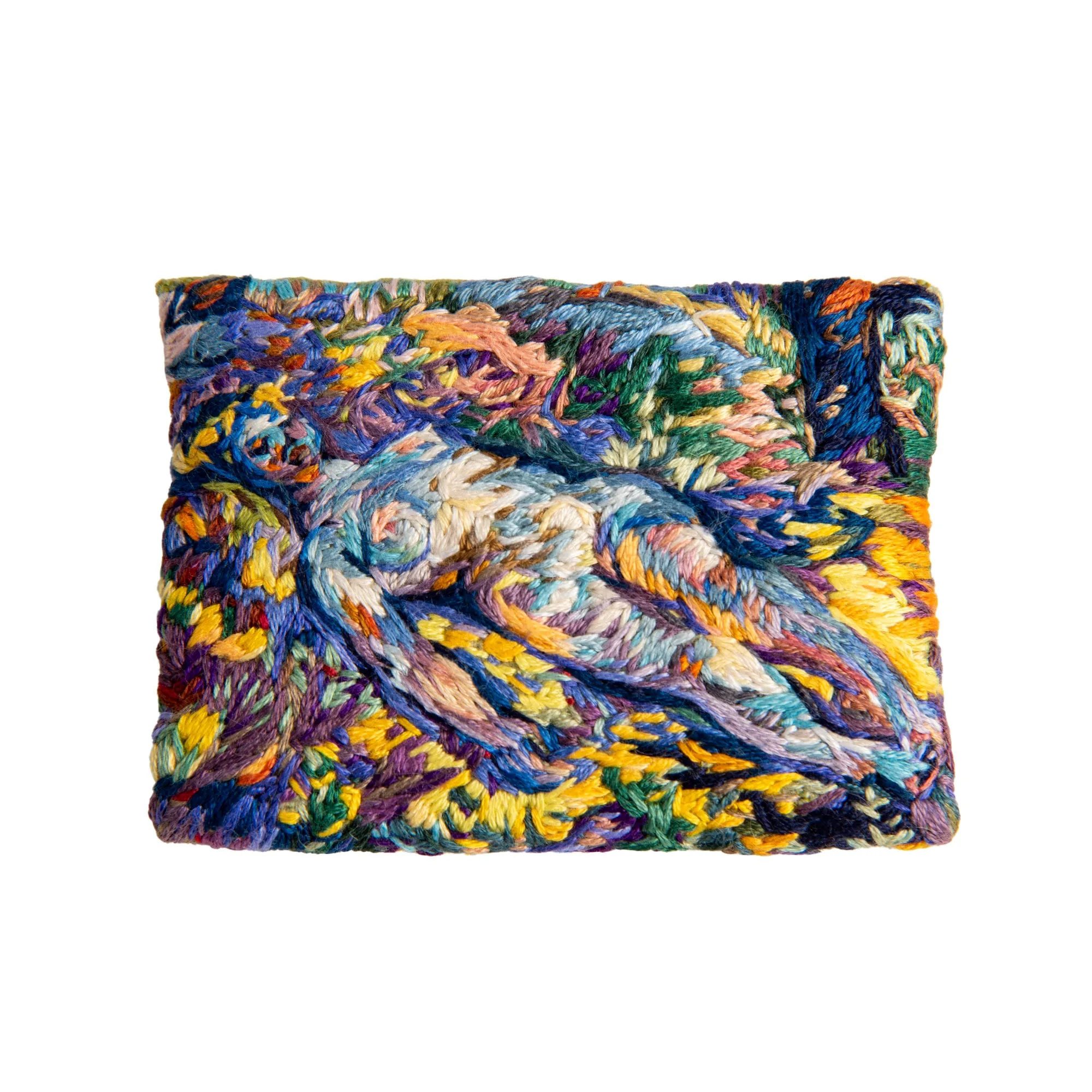
Henri-Edmond Cross: Reclining Nude, Brooch
Wearable art; metal and glass, fabric, thread (cotton, mouliné)
6 × 8 cm · 2.4 × 3.1 in


Related articles
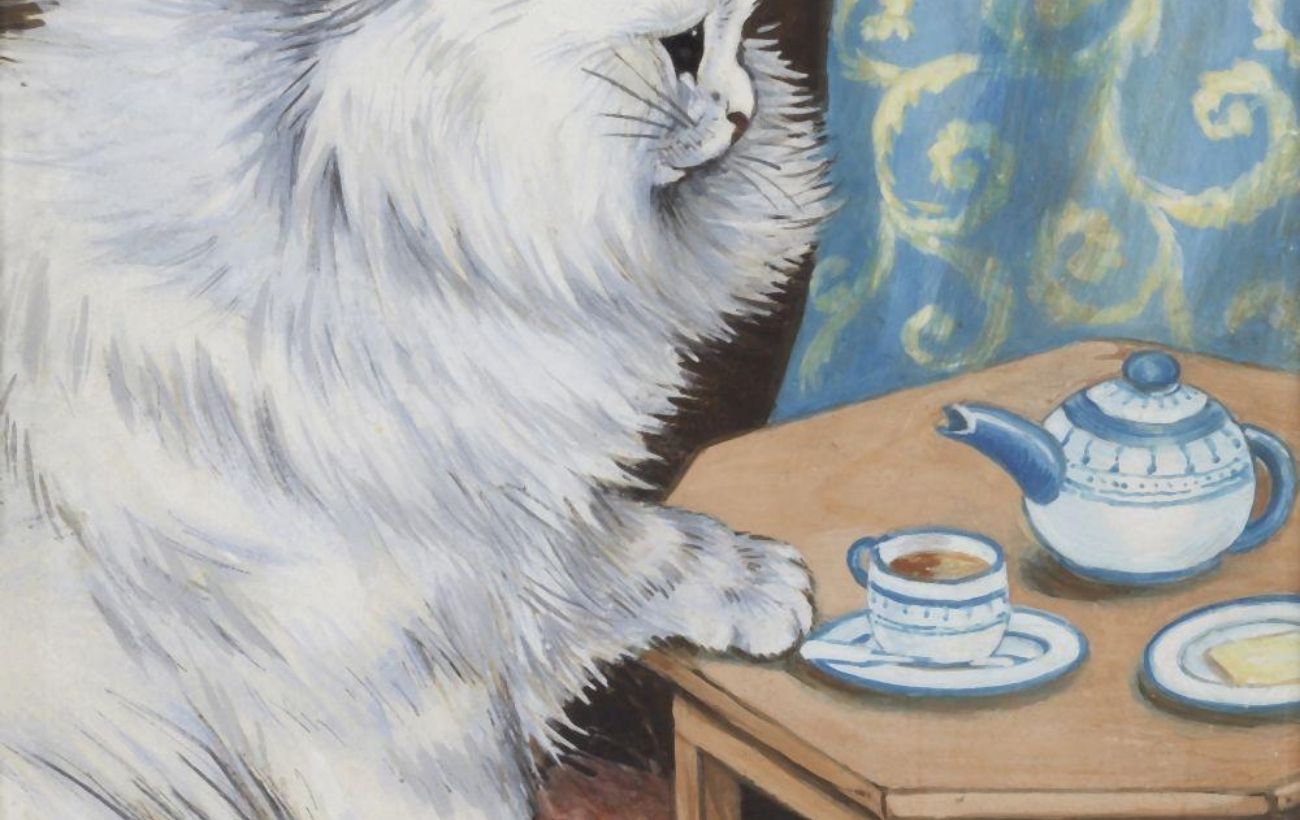
Art & Seeing ·
A Universe Built with Cats: Wain’s Inner World
Louis Wain’s cats are not just cute; they mirror a mind coming apart. An inner journey from anthropomorphic drawings to abstract patterns.
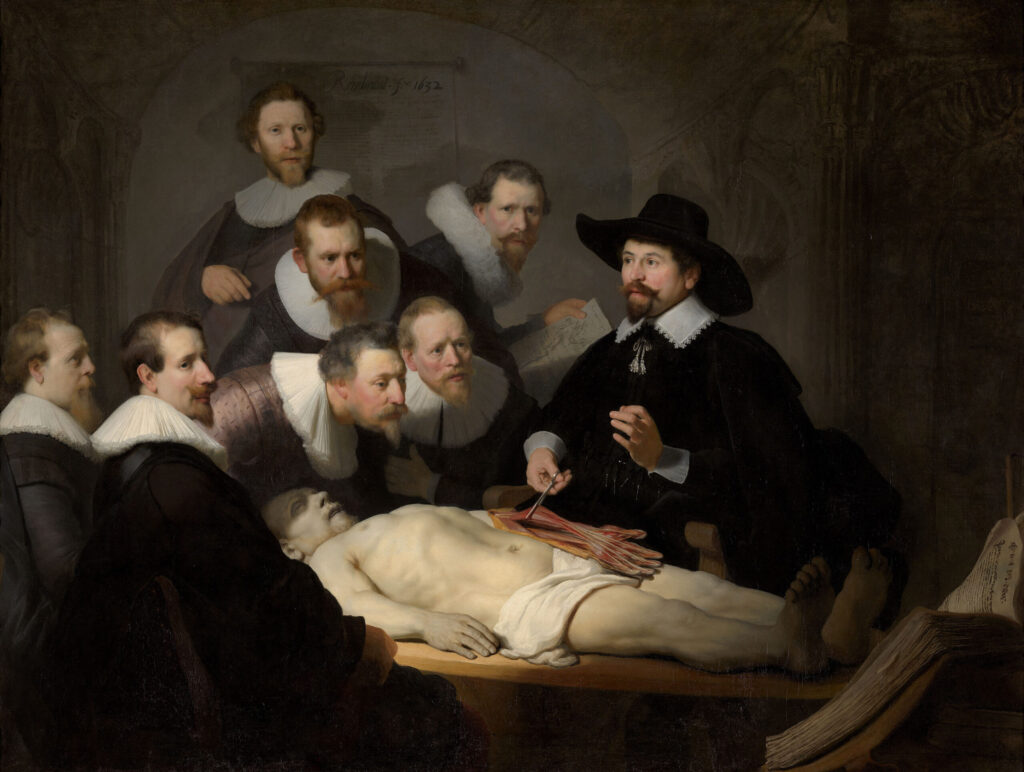
Essays & Criticism ·
The Age Without Masters: Tutorial Hell
Knowledge passes on through people, not only through screens. From Rembrandt to Nam June Paik, we look at what is lost when learning happens alone and without a master.
Essays & Criticism ·
Eat, Gentlemen, Eat: You Are a Worker, Stay a Worker
The lie of “I have no choice” and the trap of self-exploitation. An anatomy of modern slavery through Sartre and Salgado, and the legal rights that set us free (Turkish Laws No. 4857 and 6331).


