

Essays & Criticism5 min read
The Age Without Masters: Tutorial Hell
Knowledge passes on through people, not only through screens. From Rembrandt to Nam June Paik, we look at what is lost when learning happens alone and without a master.
By artcycle

“The value of information does not survive the moment in which it was new; experience, by contrast, scatters its seeds into the future.”
After Walter Benjamin
“If I have seen further, it is by standing on the shoulders of giants.” Newton’s famous words say that knowledge becomes possible not only through inspiration or personal effort, but through transmission. Yet when we look at today’s world, we see a generation that has lost its masters. Hundreds of hours of tutorial videos on screen only show us “how” to do something. A master, however, passes on to an apprentice not only technique but the “state” within the act: patience and presence. Today we are utterly alone in front of the screen. We are deprived of that “corrective mirror” that would reflect our mistakes back to us and draw limits.
This lack drags us into a strange loop, known today as “tutorial hell”. We repeat the same mistakes mechanically without even understanding why we make them. The culture of likes and fast-track certificate programmes sell people a false sense of competence. We are deprived of the instructive pain that comes with making mistakes, being corrected and hearing “that’s not it, start again”. This sterile learning process, which never meets the resistance of the real world, ends with learning turning into a race and depth being lost.
Rembrandt – The Anatomy Lesson of Dr. Nicolaes Tulp (1632)
Apprentices gathered around a cadaver, all attention. In this painting Rembrandt makes the physical weight of learning and the guiding presence of the master felt. The organic tension of this room, where the cost of a mistake is real, is the exact opposite of today’s loneliness that takes refuge in the “undo” key. But once we lose this physical contact, we have no choice but to turn back and look at our own reflection.
Nam June Paik – TV Buddha (1974)
The artist traps an ancient Buddha statue inside its own image with a closed-circuit camera. The statue keeps watching its silhouette on the screen in an endless, motionless trance. The installation is a critique of the isolated illusion of learning in which, without an “other” (a master) to confront us with reality, we are left alone with our own reflection. Because no new data can seep in from outside, what we take for progress turns into a vicious circle in which we drown in our own echo chamber.
M.C. Escher – Drawing Hands (1948)
The paradox of two hands drawing each other on paper. Escher’s flawless lithograph visualises the modern mind trying to bring itself into being, with no intervention from the outside world. There is no overview to correct mistakes with an outside eye; only a mechanism runs that consumes the data produced by the system over and over. Masterlessness locks a person inside a loop that spins within this very illusion and never touches the real world. And in the end this loop results in an overload that blinds perception completely.
Hiroshi Sugimoto – Theaters (1978)
Sugimoto enters a cinema, opens the shutter the moment the film starts and makes a long exposure for the whole screening. The result is a blinding, pure white nothingness formed by thousands of different frames piling up on the screen. Just like tutorial videos consumed one after another without pause, limitless content and information overload end up burning out the mind. Such a pile of information becomes the most modern form of ignorance: the white void of being unable to see.
René Magritte – Clairvoyance (1936)
In this self-portrait, the painter looks at an egg on the table but paints a bird in flight on the canvas. Learning a craft is not only mechanically copying existing data; it is gaining the horizon to see “what is to come”. While the person in front of the screen tries to make a flawless imitation of the egg, a master teaches how to release the potential inside the shell. What truly transforms the way we see is not the data itself but contact with this different way of looking.
In our digital loneliness, the more we run from the physical, painful but transformative contact of a relationship, the more knowledge loses its function. What a master left to an apprentice was not only a profession; it was an experiential memory, filtered through generations and never written down. Today search boxes have taken the place of that memory. Every individual spins alone, from scratch, inside a pile of information of uncertain origin. As long as we cannot get that sometimes shattering feedback from the outside world, we surrender, like the ouroboros, to a barren perfectionism that paralyses us.
In an age when we can reach information so easily, it is no coincidence that failing to learn has become so normal. We have lost our masters. Our era has turned learning from a journey of discovery and an experience into a vast race of egos. Real mastery does not begin with obediently copying flawless data from the screen; it begins with making room for the harsh, rough and corrective voices that emerge in contact with others. Mastery is no longer forged under the hand of a single person; it is being redefined among people who can bear each other’s gaze. We cannot artificially recreate the master we have lost, but we can free ourselves from the burden of being our own supervisors and reach out to one another.
Newsletter · Free, no account needed
New pieces in your inbox
We let you know when a new Journal piece is published. You can choose other topics too.
Next article
There Is Someone Else Inside Me: Coping and Making Peace with the Crowd Within
Existence & Spirituality ·

Related articles
Essays & Criticism ·
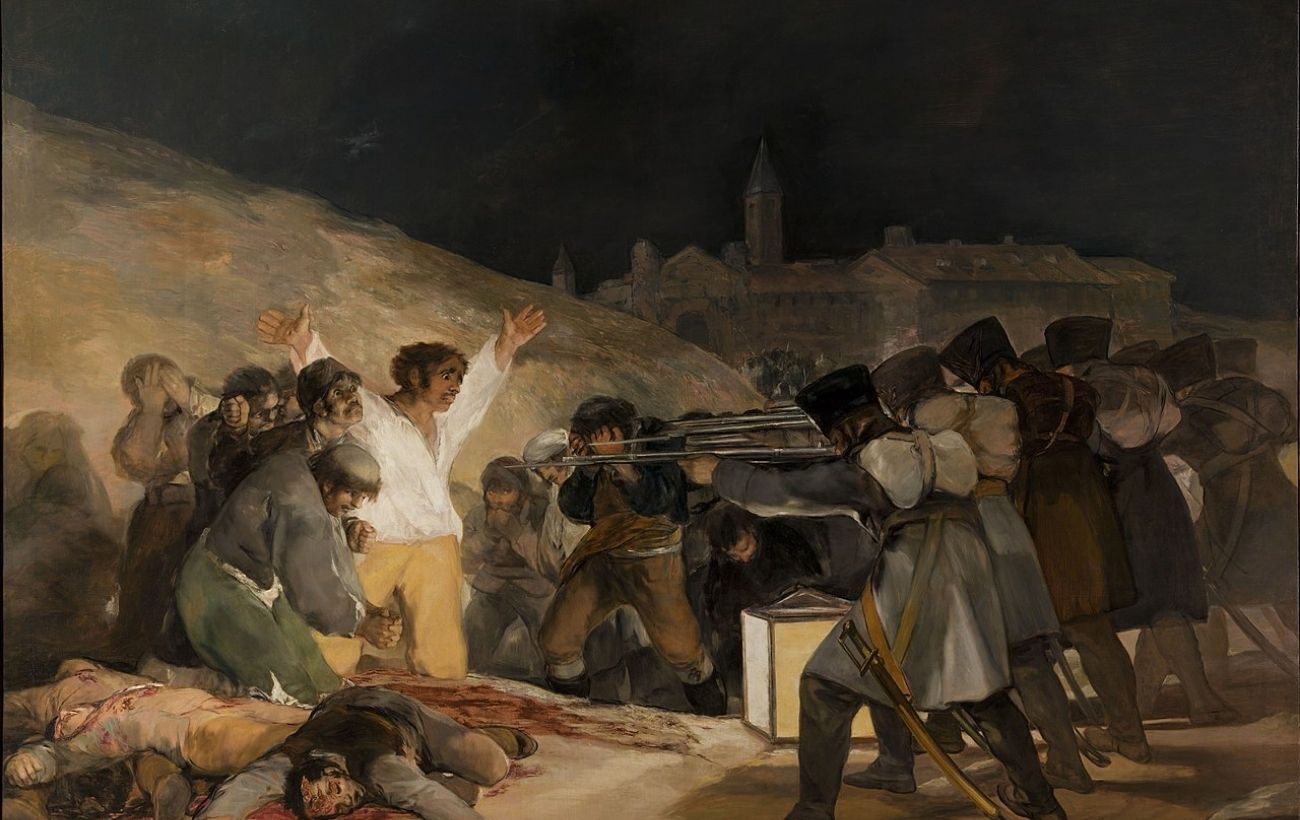
Eat, Gentlemen, Eat: You Are a Worker, Stay a Worker
The lie of “I have no choice” and the trap of self-exploitation. An anatomy of modern slavery through Sartre and Salgado, and the legal rights that set us free (Turkish Laws No. 4857 and 6331).
Essays & Criticism ·
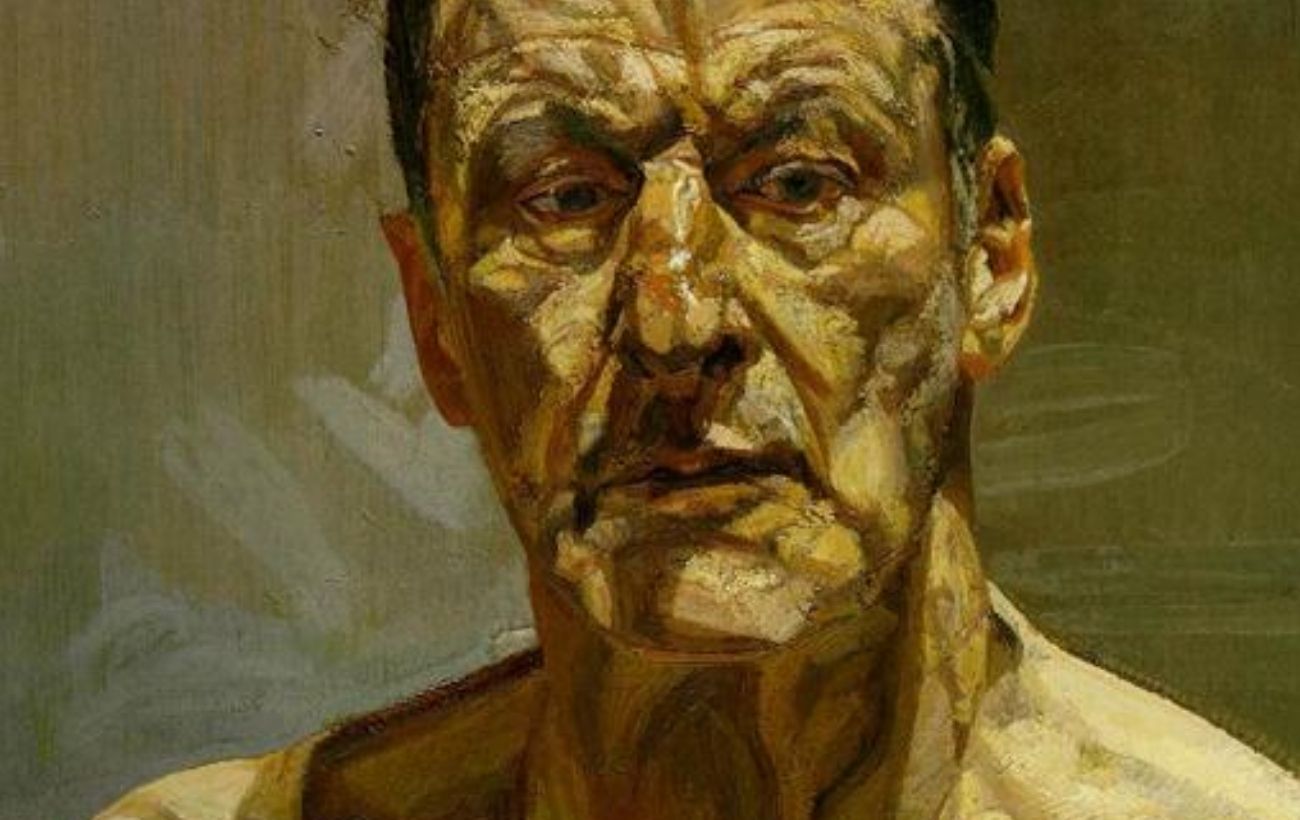
Indecision: The Weight of Choices
“Man is condemned to be free.” From Sartre to de Chirico, we explore through art how indecision is not a weakness but the existential burden of modern life.
Essays & Criticism ·
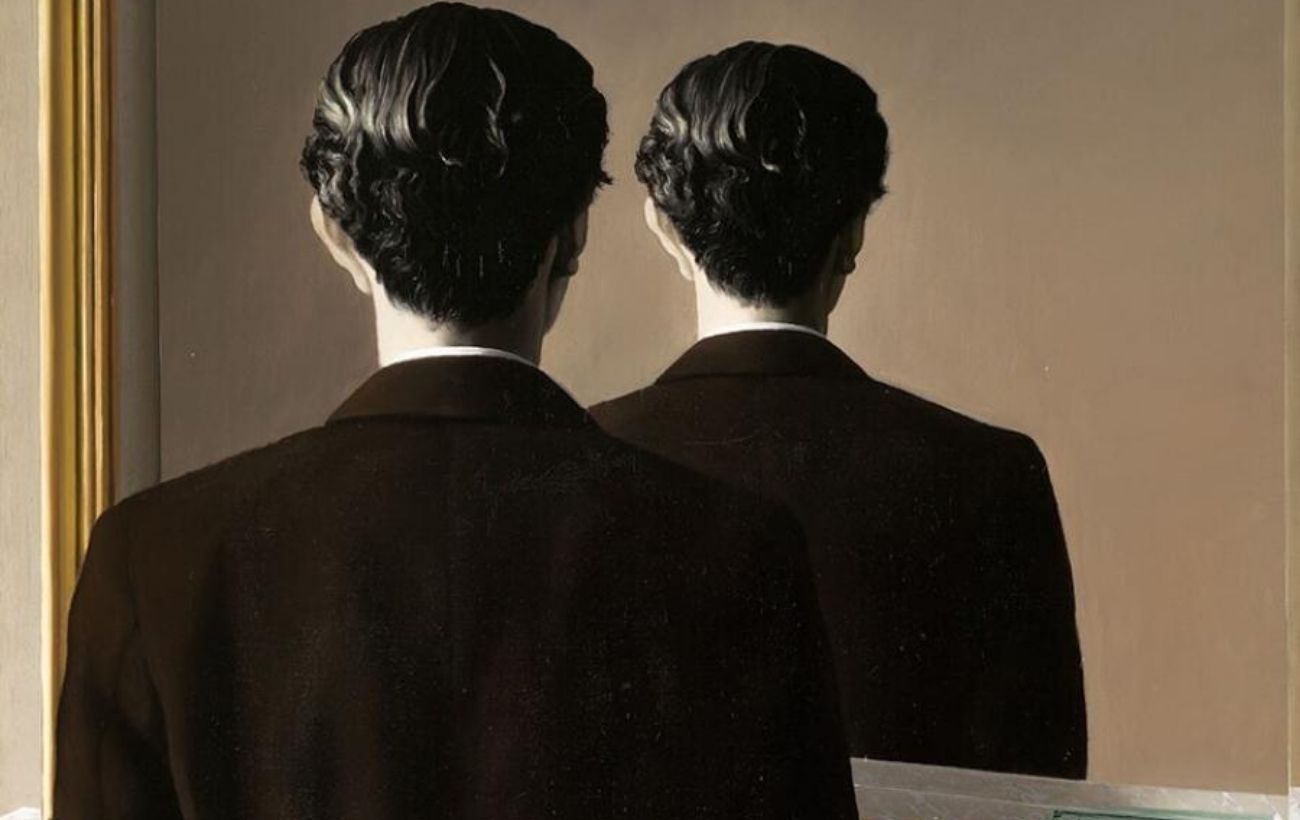
Absurd Creation: Making Art Without Seeking Meaning
Art does not console; it confronts. In the light of Albert Camus’s philosophy of the absurd, we look at the absurdity of existence in the works of Louise Bourgeois, Francis Alÿs and Bruce Nauman.


