
Essays & Criticism3 min read
Absurd Creation: Making Art Without Seeking Meaning
Art does not console; it confronts. In the light of Albert Camus’s philosophy of the absurd, we look at the absurdity of existence in the works of Louise Bourgeois, Francis Alÿs and Bruce Nauman.
By artcycle
“The task of art is not to console people but to make them feel the absurdity of their existence; yet showing their freedom within that absurdity is also the work of art.”
“The human being is the only creature that questions the meaning of life, and most of the time the answer to that question is silence.”
Albert Camus’s philosophy of the absurd describes the conflict between the individual’s search for meaning and the silence of the world. But art is sometimes made not to resolve this conflict but to exist alongside it.
Louise Bourgeois: Cell (Eyes and Mirrors), 1989
Mirrors and eyes placed in an enclosed space push viewers into the position of both observer and observed. The self dissolves in this cell; it is the stage of an individual who loses themselves while looking at themselves. Bourgeois gives psychoanalytic dissolution a sculptural form: a construction that breaks meaning apart rather than excluding it.
David Shrigley: Untitled (Life is Fantastic), 2008
Plain lines, a childish typeface and an ironic title. Shrigley presents the absurdity of life with humour; within the cheerfulness of the sentences lies a decaying despair. It is a visual counter-stance developed against the absurdity of existence.
Francis Alÿs: Paradox of Praxis I, 1997
The artist pushes a giant block of ice through the streets of Mexico City, for hours. In the end the ice melts and nothing is left. The work shows the absurdity of labour, repetition and effort through a physical metaphor.
Bruce Nauman: Clown Torture, 1987
The clown repeats, falls, shouts, falls silent. Nauman tells of the endless loop of the modern individual through a grotesque character. On the Lacanian plane, contact with “the real” appears here as a scream that cannot be suppressed.
Paul McCarthy: Painter, 1995
A performance in which the artist drowns in his grotesque state, moving back and forth between paint and excrement. The production of art is represented not as a “ritual” but as a “collapse”. McCarthy caricatures the lost identity of the modern artist.
The meaning of art sometimes lies in its escape from meaning. Absurd creation offers no explanation, but it keeps the question alive. These works do not look for answers; they make visible the resistance within silence. As Camus is often paraphrased: true courage is to accept the meaninglessness of life and still go on living it.
Newsletter · Free, no account needed
New pieces in your inbox
We let you know when a new Journal piece is published. You can choose other topics too.
From Discover
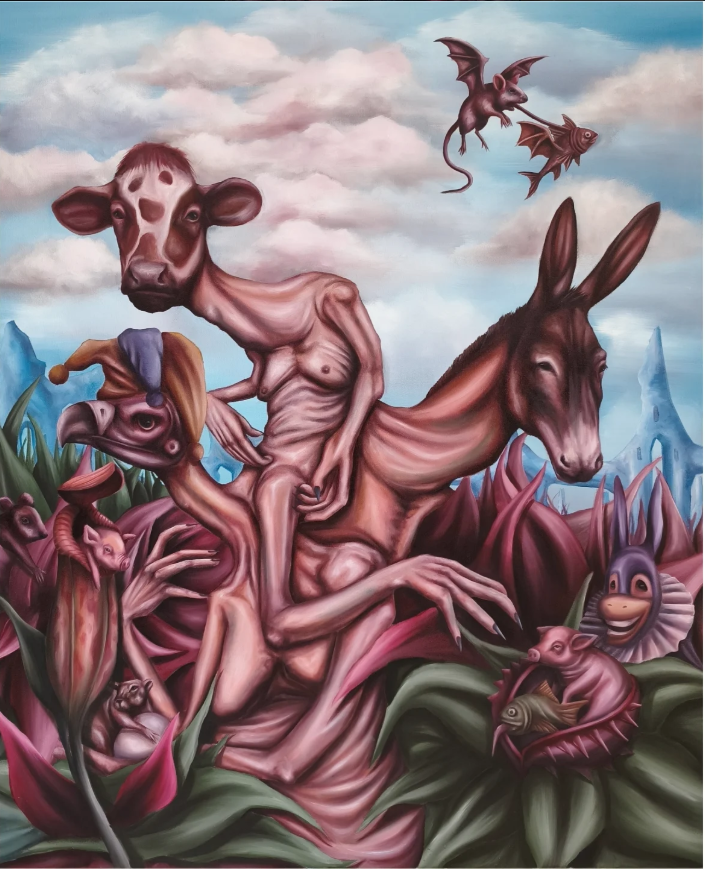
When We Woke, Our Bodies Were Not Our Own
Oil on canvas, 2025
120 × 100 cm · 47.2 × 39.4 in
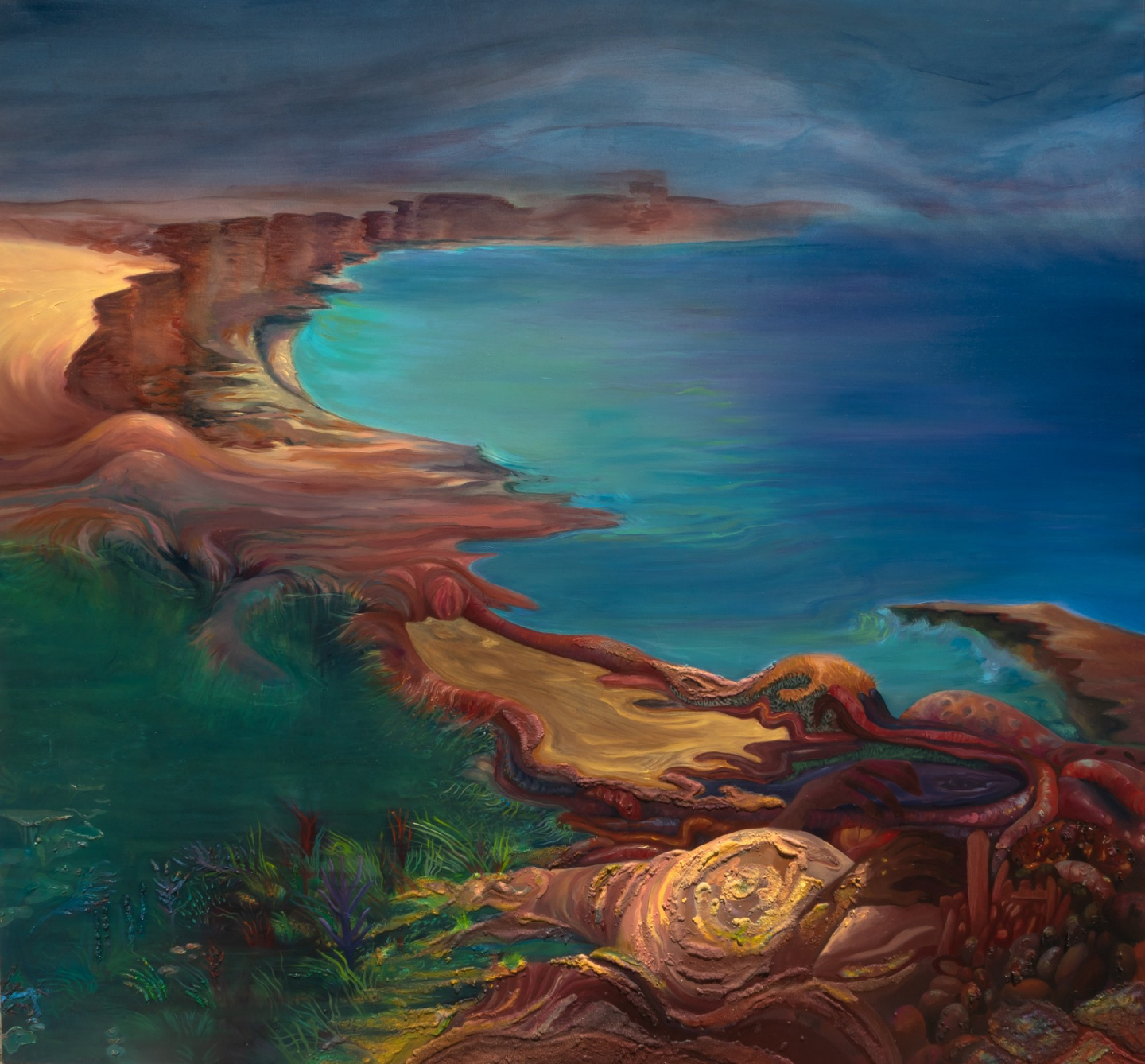
Earth
Mixed media on canvas, 2022
160 × 170 cm · 63 × 66.9 in


Related articles
Existence & Spirituality ·
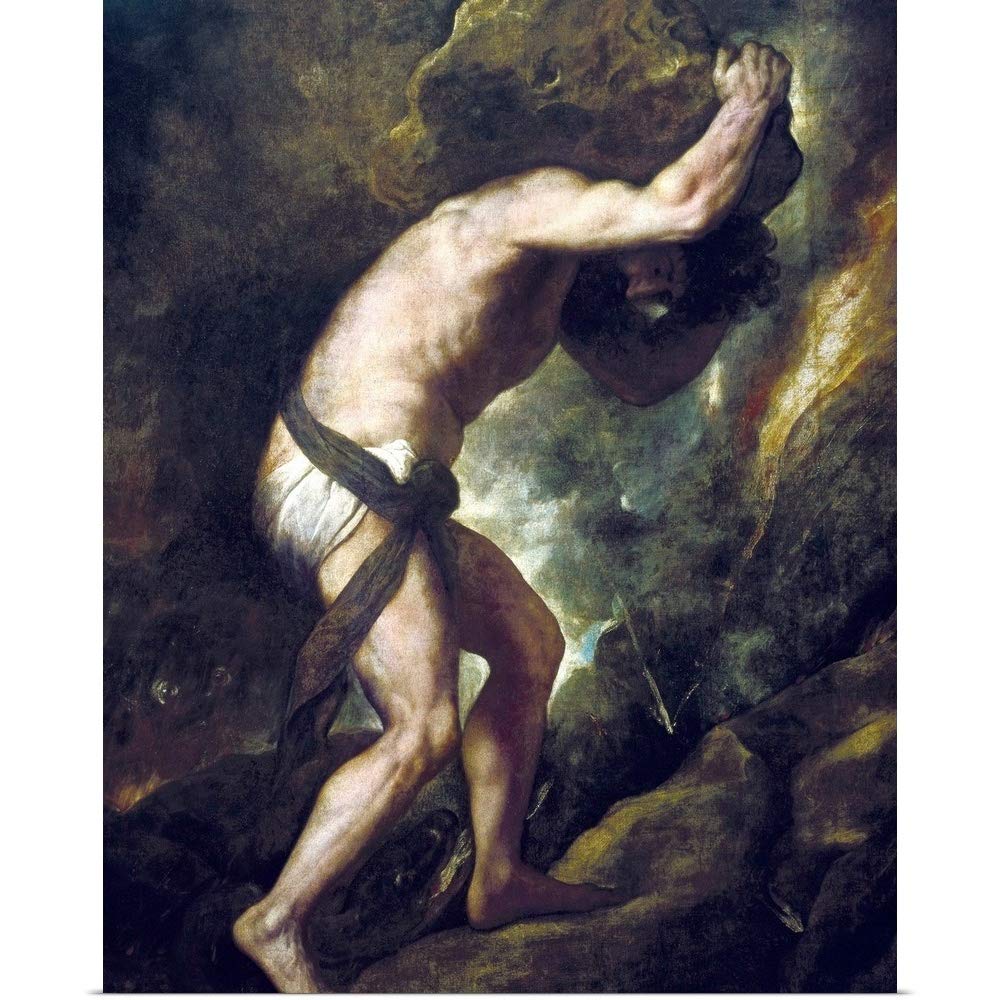
The Art of Sisyphus: The Aesthetics of Persistence
“One must imagine Sisyphus happy.” We explore Camus’s absurd hero and the aesthetics of persistence through examples from art history, from Titian to Stuck.
Essays & Criticism ·
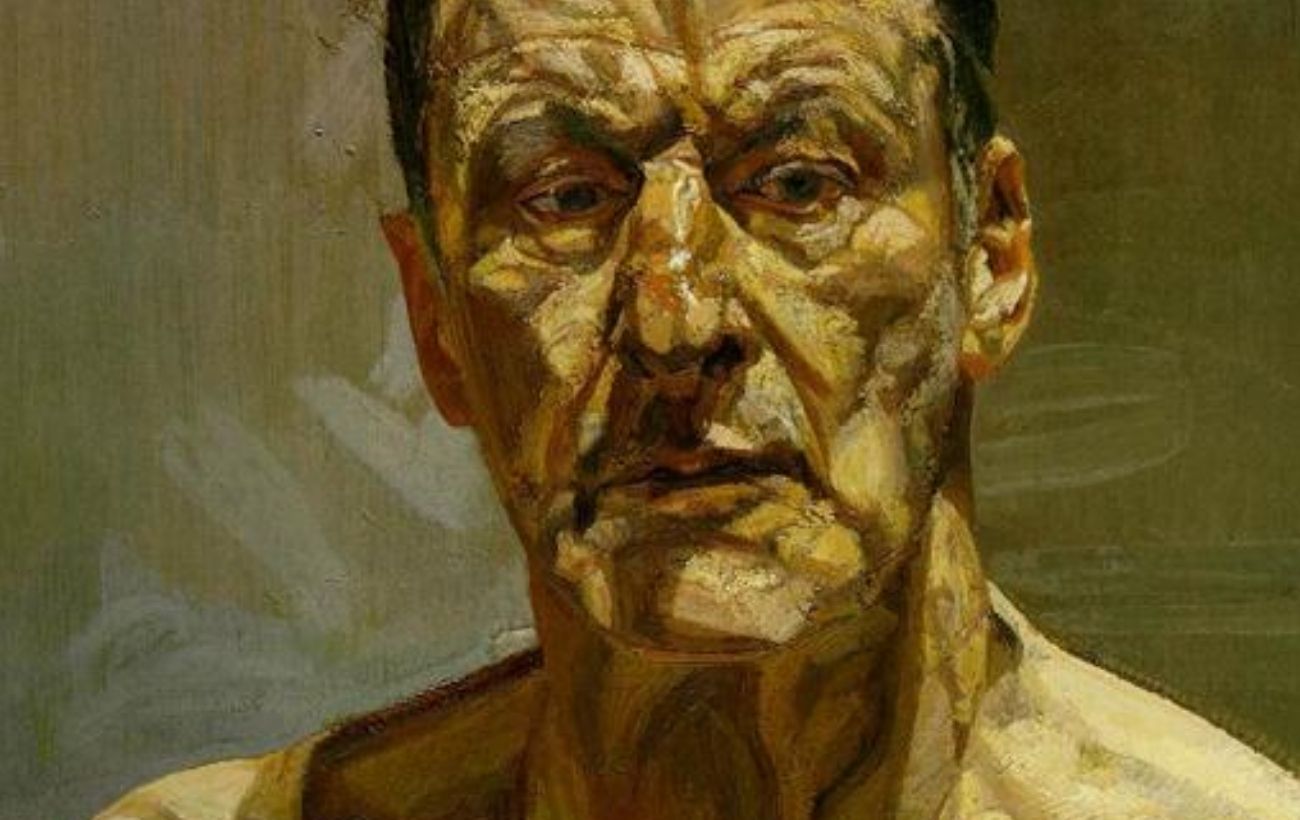
Indecision: The Weight of Choices
“Man is condemned to be free.” From Sartre to de Chirico, we explore through art how indecision is not a weakness but the existential burden of modern life.
Art & Seeing ·
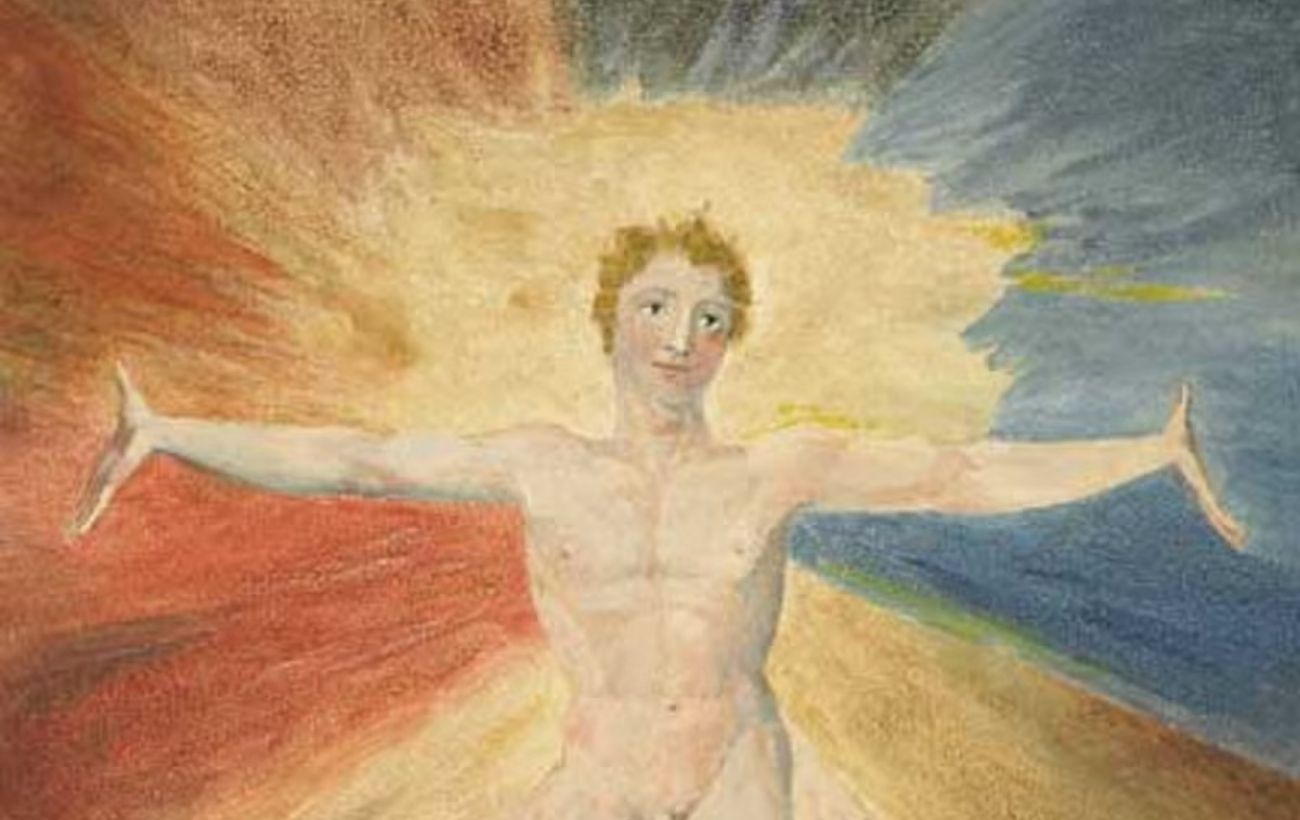
The Spring That Blossoms Within: Rebirth
“In the midst of winter, I found there was, within me, an invincible summer.” From Camus to Kahlo, we explore the aesthetics of being reborn from the places where we broke.


