

Essays & Criticism3 min read
Banned Art, Growing Resistance
However often it has been banned throughout history, from Goya to Banksy, art has always found a way. We look at works that censorship could not silence and that grew through resistance.
By artcycle
Censorship in art and the unstoppable nature of art. Art is one of the most powerful ways of expressing free thought. Yet throughout history many artists have been censored, banned and even punished because of their work. Even so, art has always found new ways to survive. Ideas can be silenced, but the voice of art can never be wiped out completely.
Censorship sometimes appears as outright bans, sometimes as implicit pressure and sometimes as economic obstacles. Artists, however, manage to overcome these barriers with creative solutions. Artists who show their work despite pressure and deliver their message despite bans are proof of art’s borderless nature.
Francisco Goya – “Los Caprichos” (1799)
The Spanish painter Goya published “Los Caprichos”, a series of 80 etchings criticising the hypocrisy of society, the corruption of the Church and the political repression of the period. The Spanish Inquisition, however, saw these works as a threat; they were withdrawn and banned. Goya was forced to pull his work back, but years later the etchings re-emerged as a masterpiece.
Ai Weiwei – “Dropping a Han Dynasty Urn” (1995)
By dropping an ancient Han Dynasty urn to the ground, the Chinese artist Ai Weiwei criticised China’s cultural heritage and the authoritarian regime’s control over history. His work was censored by the Chinese government many times.
Banksy – “Kissing Coppers” (2004)
Criticising police violence and homophobia, this work caused a great controversy when it was painted on a wall in England. Removed by the authorities, it was later preserved by an art gallery.
Diego Rivera – “Man at the Crossroads” (1934)
When the Mexican artist Rivera included a portrait of Lenin in this fresco for the Rockefeller Center, the work was censored and the mural was destroyed. Rivera painted the same work again in Mexico.
Pussy Riot – “Punk Prayer” (2012)
The Russian feminist punk group Pussy Riot staged an anti-Putin protest performance in a cathedral in Moscow. Members of the group were jailed because of the performance, but they received support from around the world.
Mihri Müşfik Hanım: Portrait Studies
One of the first women painters of the Ottoman era, Mihri Müşfik was criticised by conservative circles for painting the female body freely. Although some of her works were censored, she became a pioneer for women artists in Türkiye.
Art cannot be silenced!
Throughout history many artists have been censored, but ideas cannot be chained. Banned works grow stronger over time and are reborn; every expression that someone tries to suppress becomes another artist’s inspiration. Art is not only a form of expression; it is the purest outpouring of freedom, resistance and the human spirit.
Although artists in many places still face pressure and obstruction today, creativity always finds a way. Every brushstroke, every note, every word is a silent yet powerful cry against censorship.
Newsletter · Free, no account needed
New pieces in your inbox
We let you know when a new Journal piece is published. You can choose other topics too.
From Discover
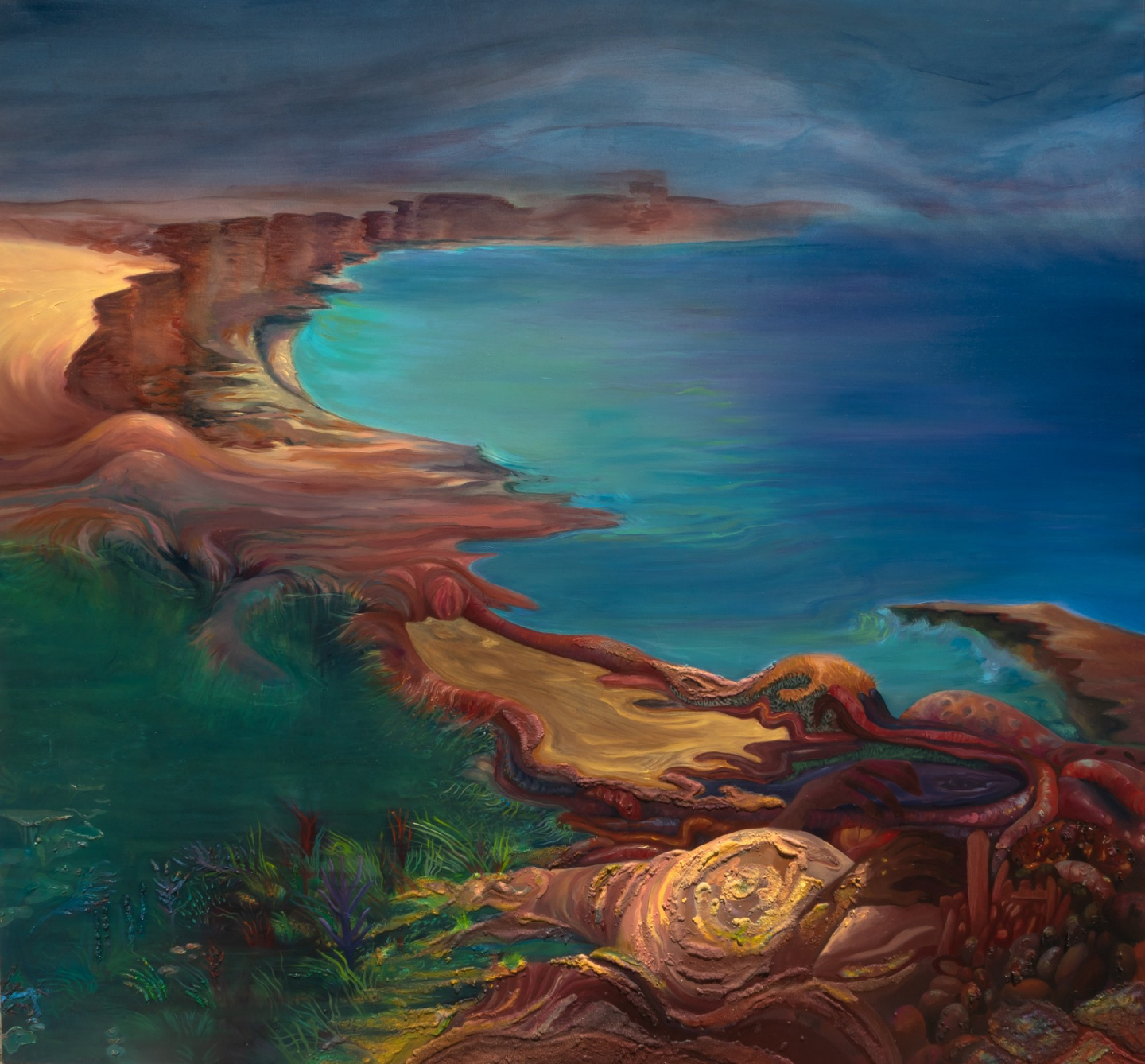
Earth
Mixed media on canvas, 2022
160 × 170 cm · 63 × 66.9 in
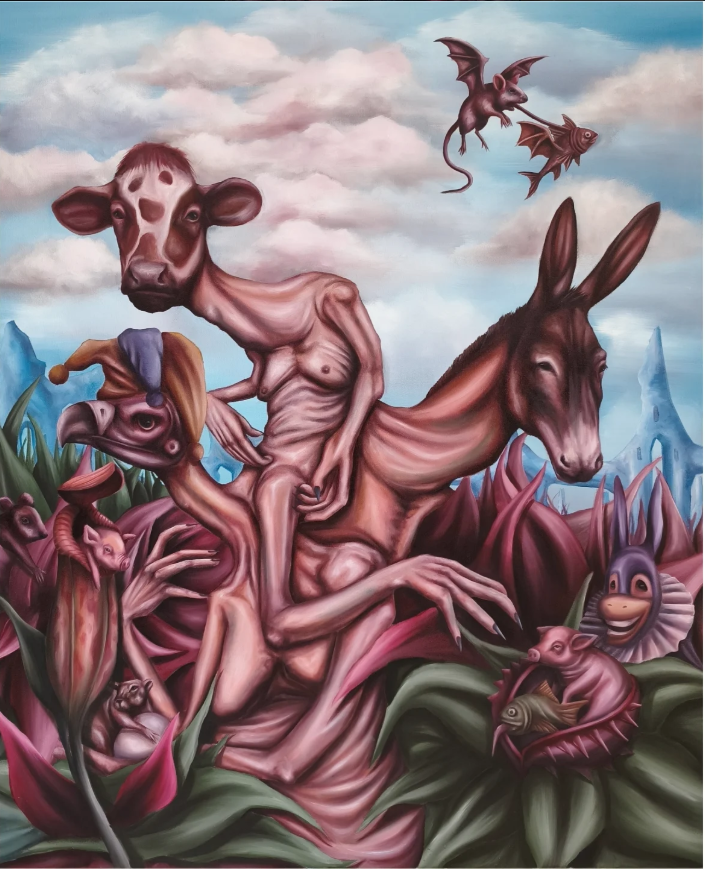
When We Woke, Our Bodies Were Not Our Own
Oil on canvas, 2025
120 × 100 cm · 47.2 × 39.4 in


Related articles
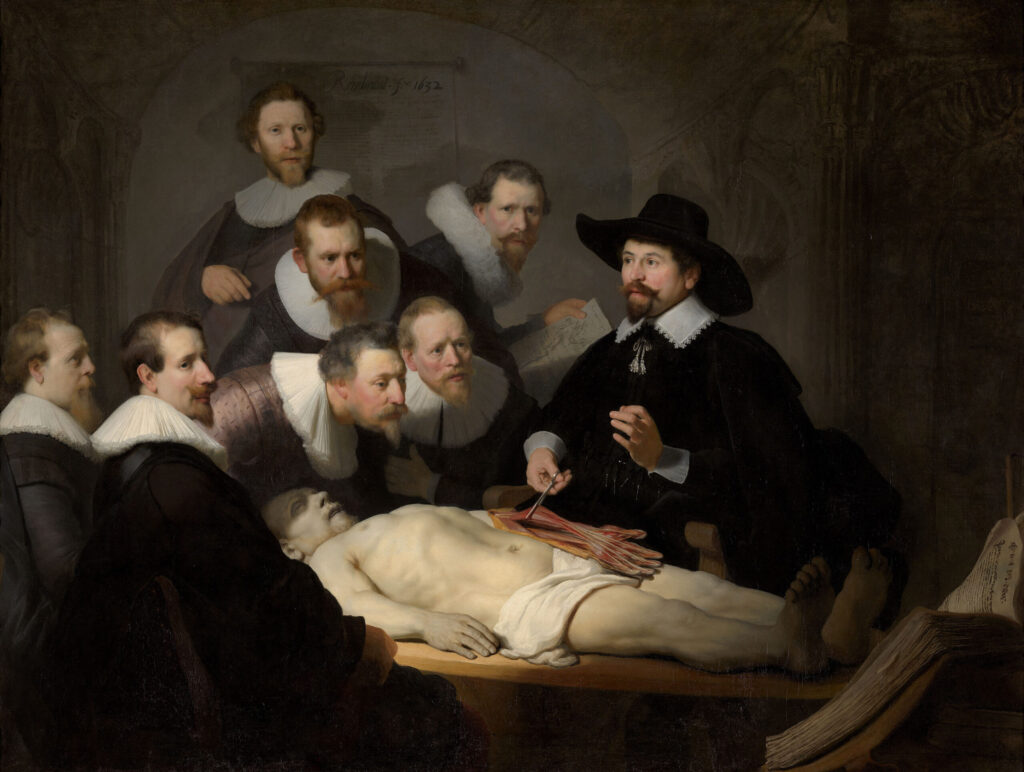
Essays & Criticism ·
The Age Without Masters: Tutorial Hell
Knowledge passes on through people, not only through screens. From Rembrandt to Nam June Paik, we look at what is lost when learning happens alone and without a master.
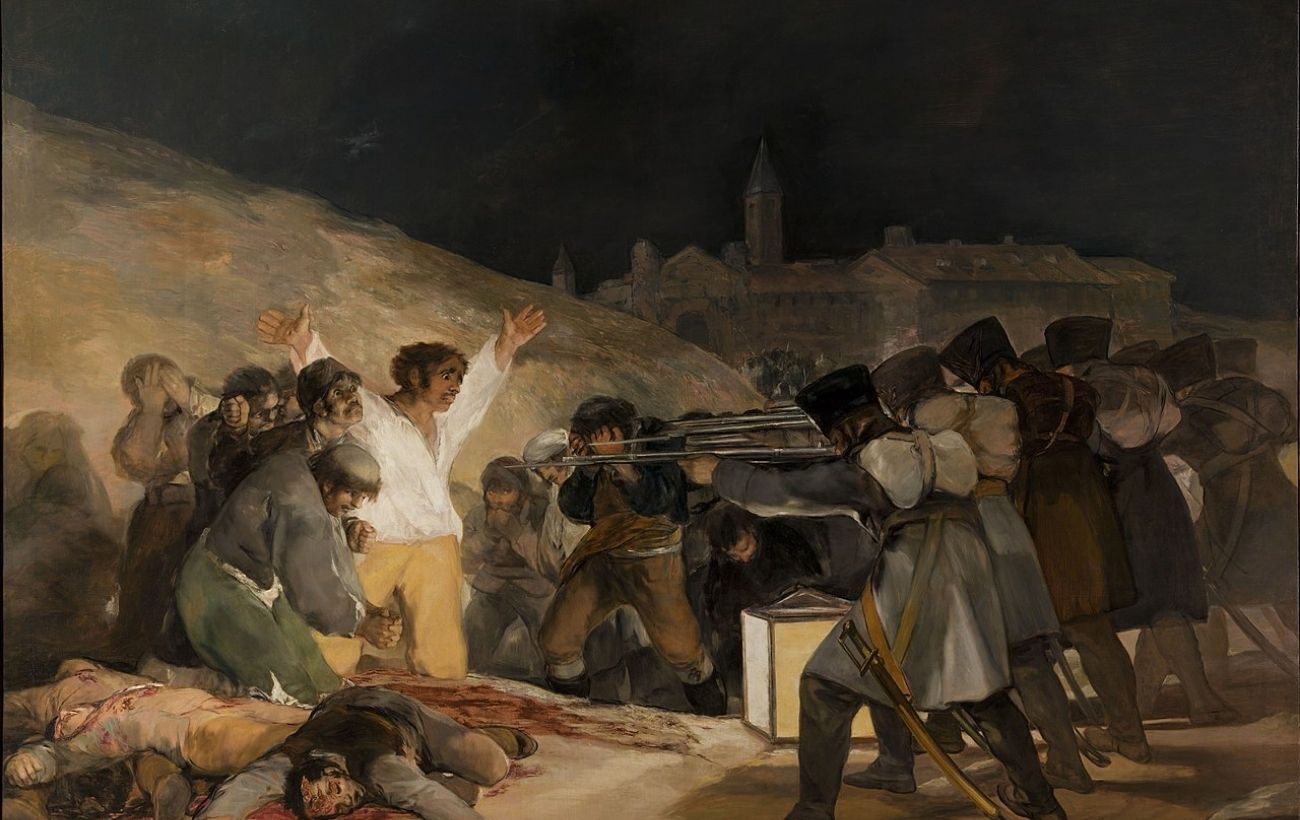
Essays & Criticism ·
Eat, Gentlemen, Eat: You Are a Worker, Stay a Worker
The lie of “I have no choice” and the trap of self-exploitation. An anatomy of modern slavery through Sartre and Salgado, and the legal rights that set us free (Turkish Laws No. 4857 and 6331).
Essays & Criticism ·
Indecision: The Weight of Choices
“Man is condemned to be free.” From Sartre to de Chirico, we explore through art how indecision is not a weakness but the existential burden of modern life.


