
Essays & Criticism3 min read
Art and Resistance: The Voice of Freedom
We look at examples of art becoming a tool of resistance through artists such as Ahmet Öğüt and Ai Weiwei. Not an aesthetic but a political stance.
By artcycle

Art is not only a form of aesthetic expression; it can also be a powerful tool of protest and resistance. Artists have criticised social injustice, war, oppression and human rights violations through their work, turning their art into a kind of political activism. Time and again, history has shown that a painting, a sculpture or a performance can be far more effective than a speech.
Throughout history, artists have been the conscience of their societies. Political art does not simply mean supporting an ideology; it also means questioning, criticising and raising awareness. Freedom, equality, opposition to war, women’s rights and environmental awareness are among the themes artists have taken up, sending messages to the world through powerful works. Here are some of today’s artists who use their art as a political stance, and their works:
Ahmet Öğüt – “Bakunin’s Barricade” (2015)
Ahmet Öğüt is known for works that address capitalism, migrant rights and social struggle. “Bakunin’s Barricade” is an installation made of real barricade materials used in popular uprisings around the world. Built from police shields, bicycles, chairs and other objects, the barricade shows how public space can turn into a space of resistance.
Erdem Gündüz – “Standing Man” (2013)
The “Standing Man” performance took place in 2013 during the Gezi Park protests in Türkiye. Gündüz drew attention by standing motionless in Taksim Square, staging a symbolic resistance against the social pressures of the time. The performance shows the power of peaceful protest and how a single individual act can grow into social change. His action revealed how silent resistance can form a political message in public space.
Tania Bruguera – “Tatlin’s Whisper #5” (2008)
The Cuban artist Bruguera works on issues such as migrant rights and state censorship. In this performance she brought mounted police into Tate Modern in London, questioning the pressure that power exerts on people.
Ai Weiwei – “Law of the Journey” (2017)
The Chinese artist Ai Weiwei created a large inflatable boat installation to draw attention to today’s refugee crisis. Known for his stance against human rights violations and censorship, Weiwei is one of the most influential political artists of our time.
Shirin Neshat: “Women of Allah” (1993 to 1997)
The Iranian artist Shirin Neshat is known for powerful photographic series on women’s rights and female identity in the Islamic world. “Women of Allah” is an important series in which Persian poems are written over the faces of veiled women, questioning individual and political freedom.
Political art is the voice of resistance! These artists question censorship, oppression and social injustice through their work. They send messages to the world with powerful works on freedom, equality, opposition to war, women’s rights and environmental awareness. Art exists not only to be looked at, but also to change things!
Newsletter · Free, no account needed
New pieces in your inbox
We let you know when a new Journal piece is published. You can choose other topics too.
From Discover
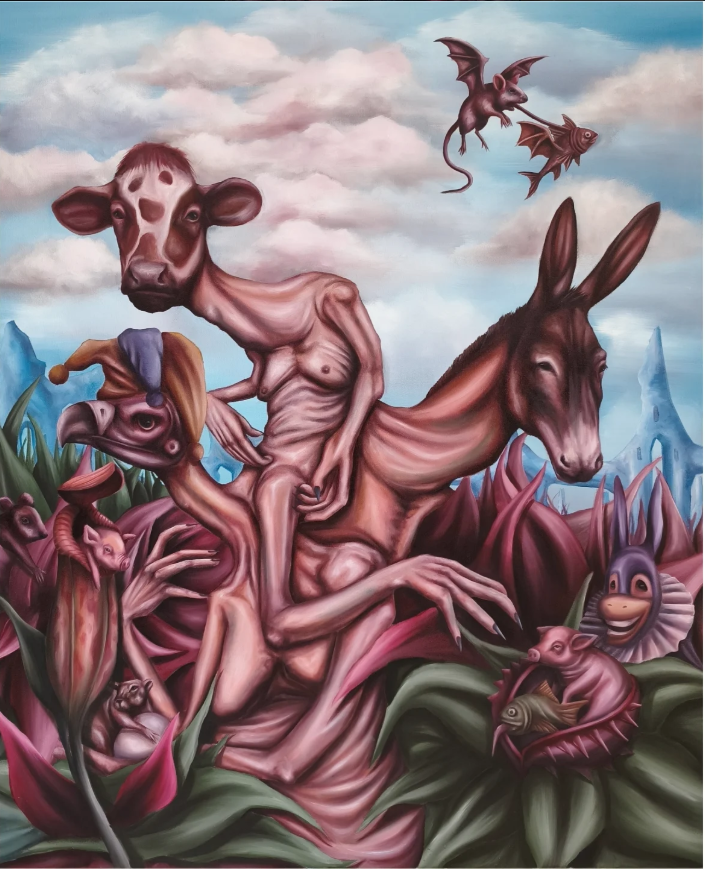
When We Woke, Our Bodies Were Not Our Own
Oil on canvas, 2025
120 × 100 cm · 47.2 × 39.4 in
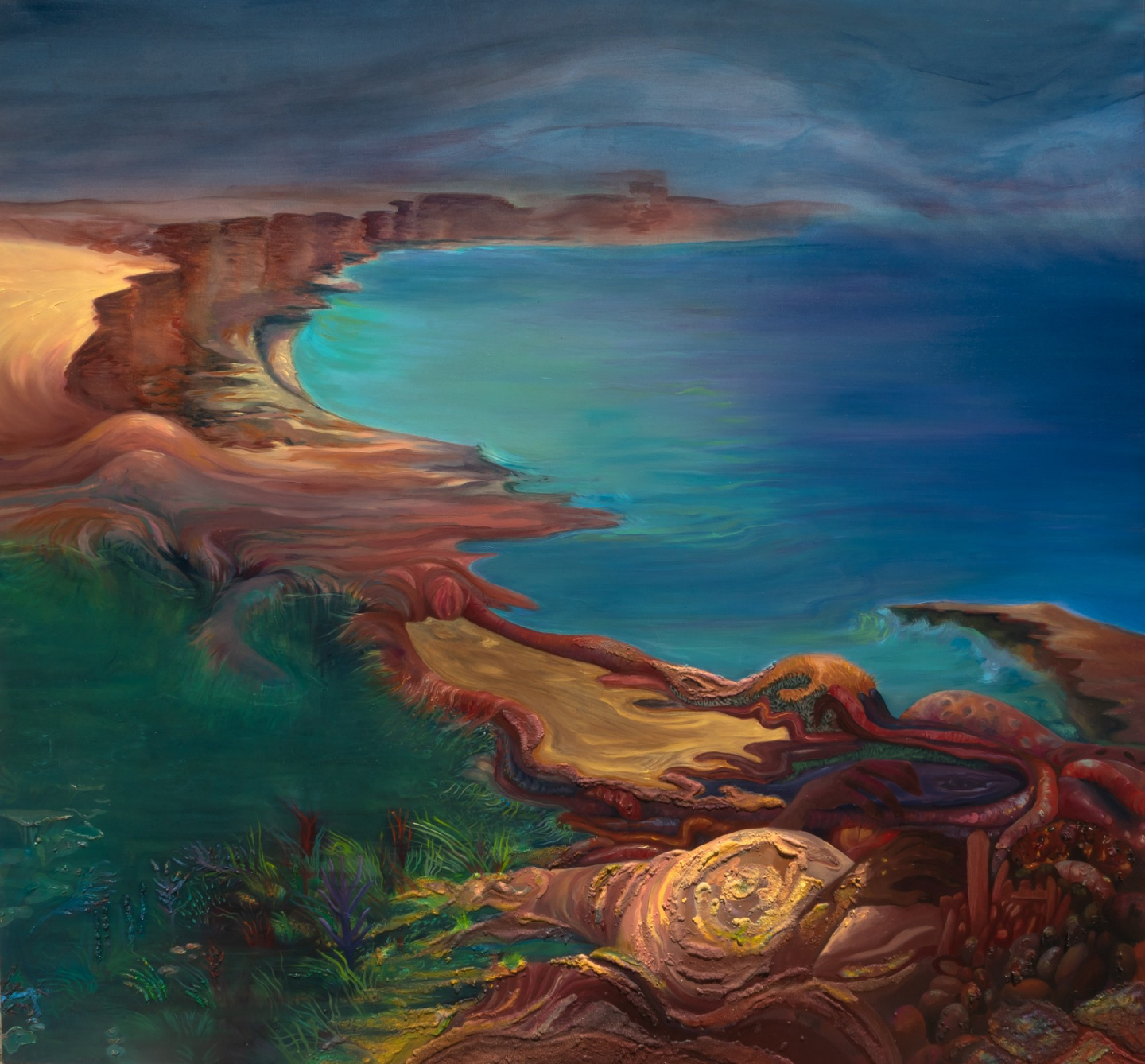
Earth
Mixed media on canvas, 2022
160 × 170 cm · 63 × 66.9 in


Related articles
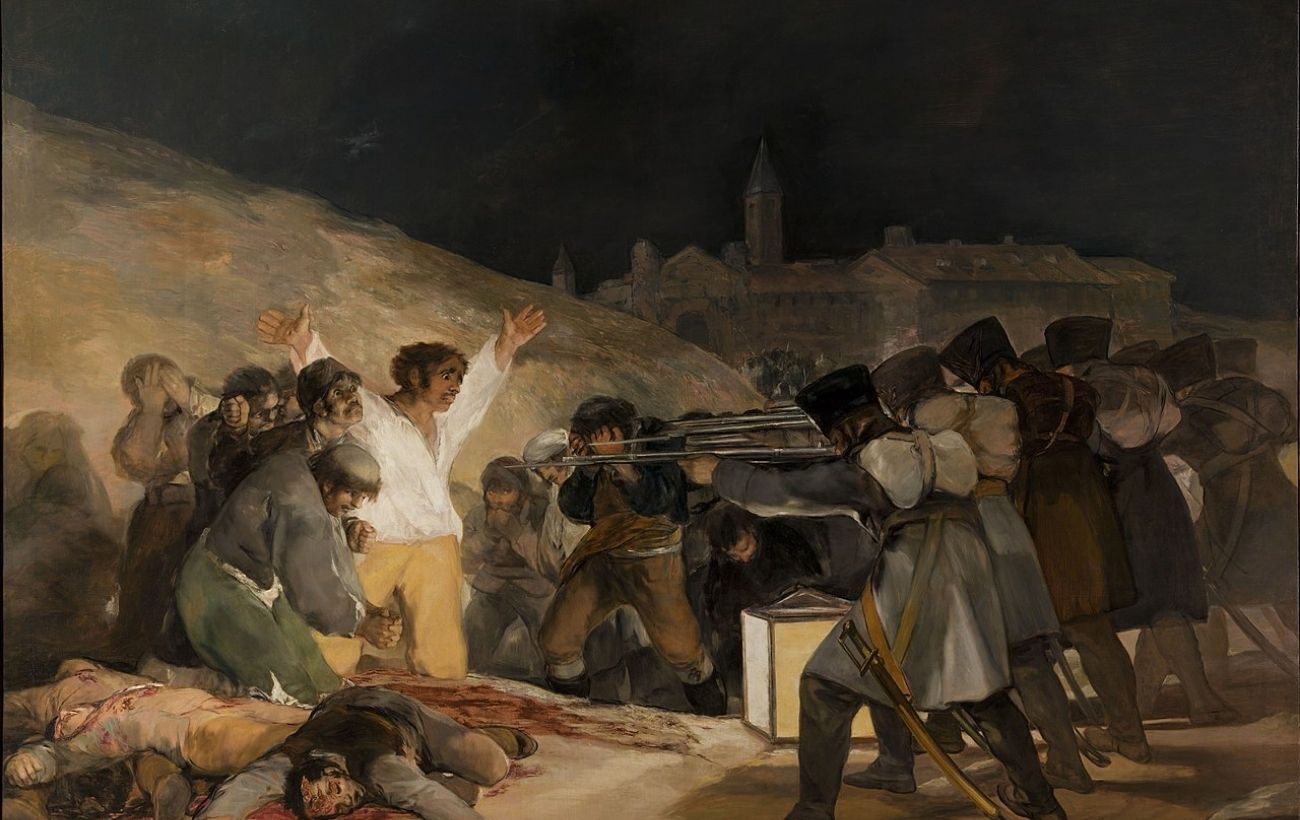
Essays & Criticism ·
Eat, Gentlemen, Eat: You Are a Worker, Stay a Worker
The lie of “I have no choice” and the trap of self-exploitation. An anatomy of modern slavery through Sartre and Salgado, and the legal rights that set us free (Turkish Laws No. 4857 and 6331).
Essays & Criticism ·
Indecision: The Weight of Choices
“Man is condemned to be free.” From Sartre to de Chirico, we explore through art how indecision is not a weakness but the existential burden of modern life.
Essays & Criticism ·
Absurd Creation: Making Art Without Seeking Meaning
Art does not console; it confronts. In the light of Albert Camus’s philosophy of the absurd, we look at the absurdity of existence in the works of Louise Bourgeois, Francis Alÿs and Bruce Nauman.


