
Art & Seeing3 min read
From Grand Narratives to Chaos: The Crisis of Meaning in Art
From the Dadaists who cried “Everything is absurd!” to Yves Klein’s void… We explore the breaking point at which art stopped producing meaning and made the crisis of meaning visible.
By artcycle

“What puts an end to the real is what seems more real than the real.” Baudrillard.
Once, everything had a meaning. History was moving forward, human reason was exalted and art followed great ideals. But somewhere something broke: meaning shattered, chaos took the stage, and art began searching for a new language right in the middle of this silence.
After the First World War the Dadaists cried out, “Everything is absurd!” Art would no longer carry a message or bow to rules; its task was precisely to tear meaning down. Declaring a urinal a work of art was a symbol of the crisis of meaning.
Marcel Duchamp – L.H.O.O.Q. (1919)
Leonardo’s sacred icon is turned into a mockery with a moustache and beard. With this intervention Duchamp demolishes the seriousness, sanctity and male-dominated codes of art history. If this is “art”, nothing is fixed any more.
Yves Klein – Le Vide (1958)
In Le Vide, Yves Klein emptied the gallery entirely and turned the void into a work of art. The work emphasises the idea of “immateriality” beyond matter. It invites viewers to reflect on their own perception and existence.
Hannah Höch – Dada’s Little Sun (1921)
In this collage made from newspaper and magazine fragments, Höch reflects the turmoil of Weimar Germany. The work questions social norms from feminist and queer perspectives. The sun and the slogans create associations that open onto the unconscious.
Anselm Kiefer – The Orders of the Night (1996)
Kiefer’s painting, with a figure lying beneath blackened sunflowers, offers a sense of cosmic weight. The cracked paint surfaces evoke decay and rebirth. With mythological themes of creation it produces a universal sorrow.
Kurt Schwitters: Merzbau (1923 to 1937)
Schwitters turned his house in Hanover into an ever-growing collage space. Built from waste materials, the structure symbolises the creative force born from destruction. Merzbau exists as a living, changing work of art.
With Freud’s discoveries, the meaning of art shifted from the outer world to the inner one. Art became a language built with images of suppressed desires, unconscious conflicts and traumas. The artist was the interpreter not of a rational narrative but of an inner chaos.
Today’s art holds more experience than narrative. Art no longer exists to produce meaning but to make the lack of meaning visible. Sometimes nothing is meaningful. And precisely because of that, art is still necessary.
Newsletter · Free, no account needed
New pieces in your inbox
We let you know when a new Journal piece is published. You can choose other topics too.
From Discover
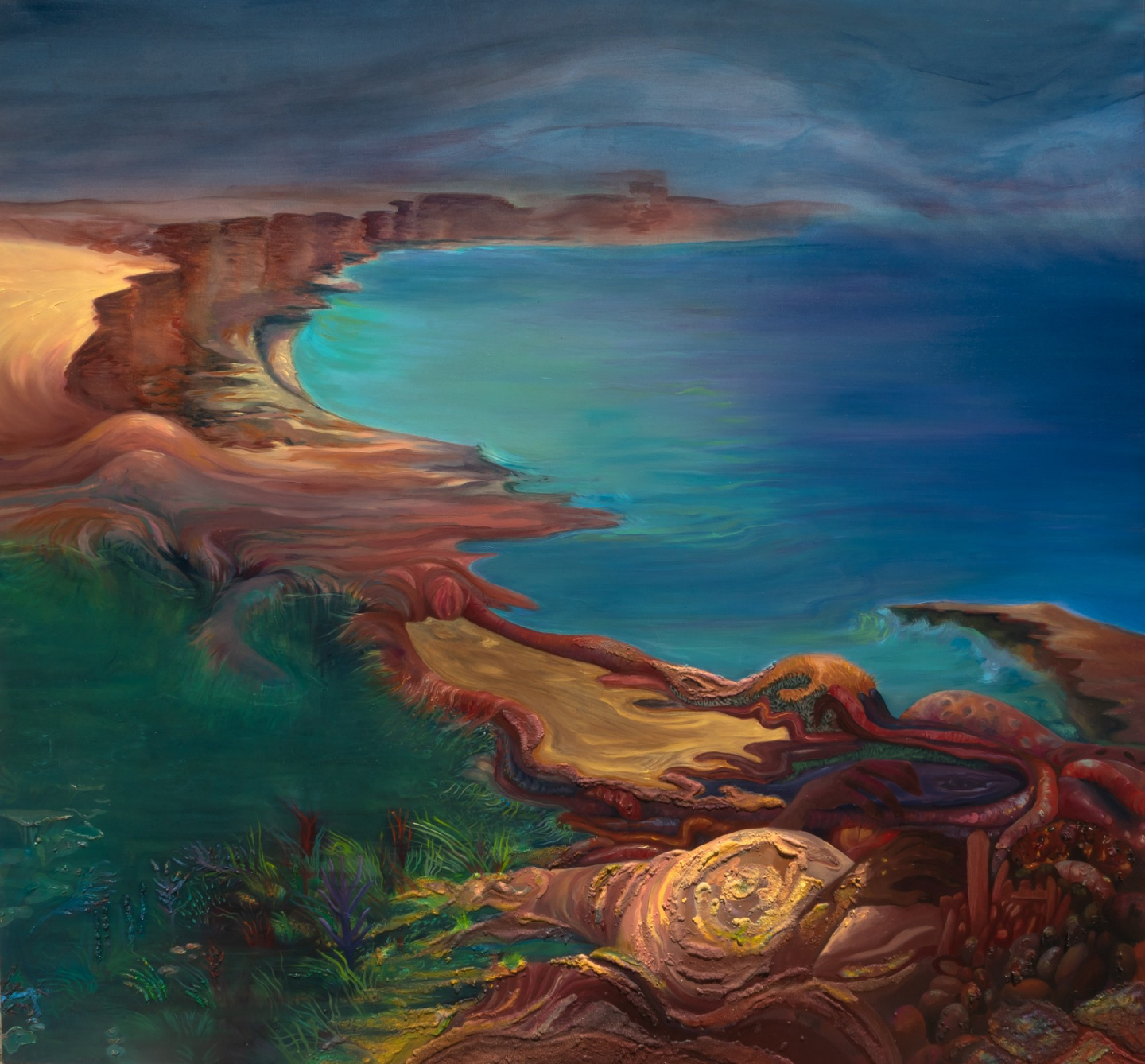
Earth
Mixed media on canvas, 2022
160 × 170 cm · 63 × 66.9 in
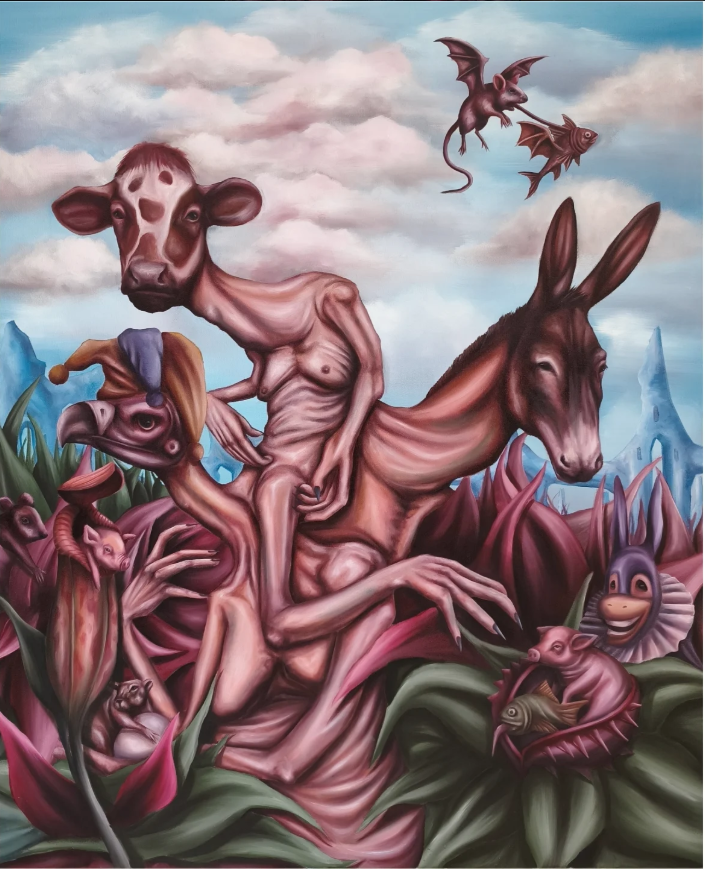
When We Woke, Our Bodies Were Not Our Own
Oil on canvas, 2025
120 × 100 cm · 47.2 × 39.4 in


Next article
Anatomy of an Artwork #3: Paul Gauguin, Where Do We Come From? What Are We? Where Are We Going? (1897)
Anatomy of an Artwork ·

Related articles
Art & Seeing ·
The Spring That Blossoms Within: Rebirth
“In the midst of winter, I found there was, within me, an invincible summer.” From Camus to Kahlo, we explore the aesthetics of being reborn from the places where we broke.
Art & Seeing ·
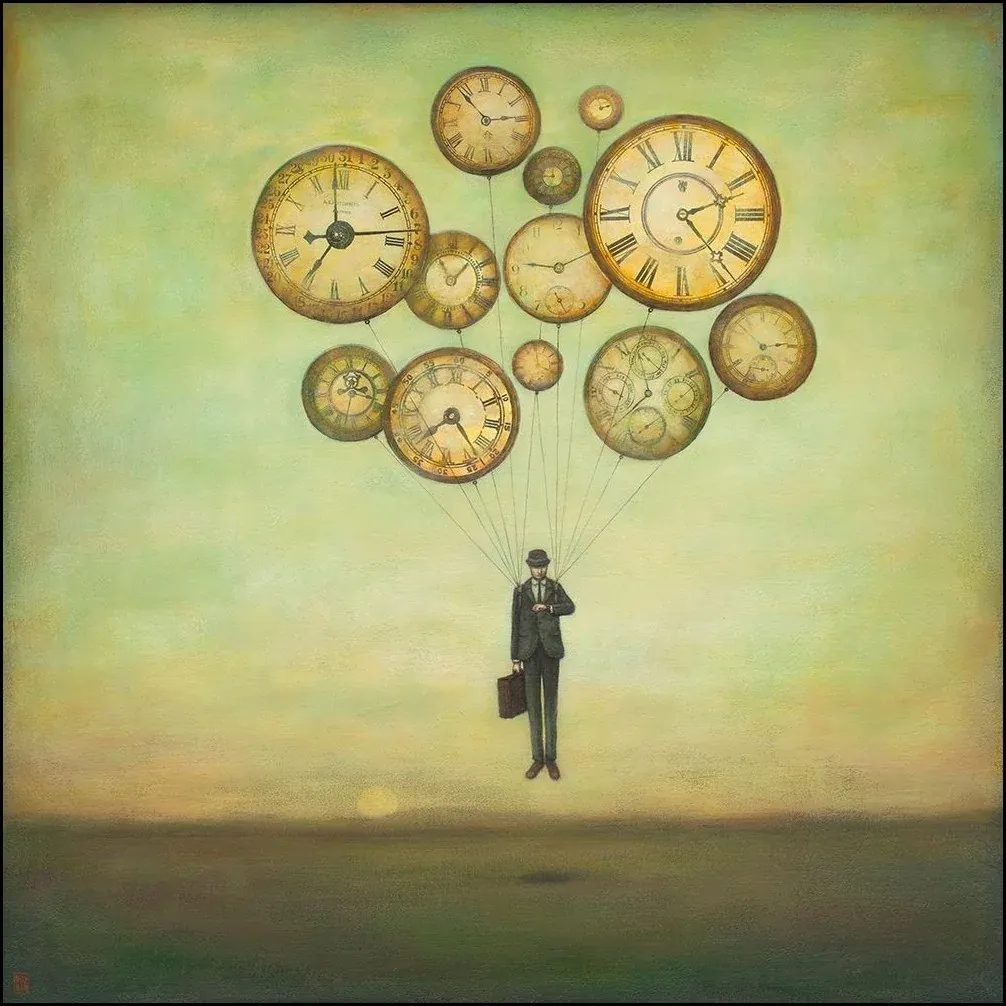
Time and Art: Permanence, Memory and the Aesthetics of Disappearance
Can art stop time? From Heidegger to Dalí, from On Kawara to Bill Viola: an in-depth look at time, memory and the desire for permanence in art.
Essays & Criticism ·
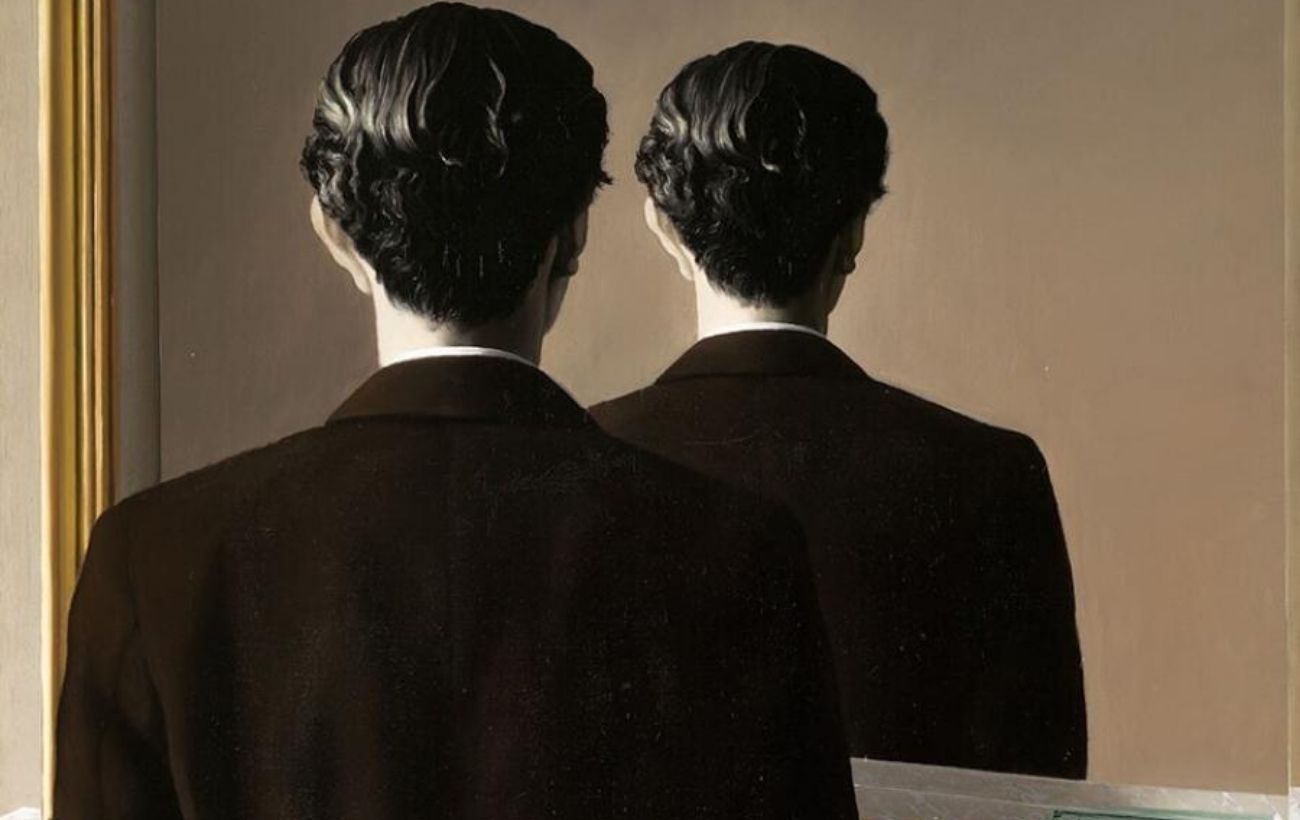
Absurd Creation: Making Art Without Seeking Meaning
Art does not console; it confronts. In the light of Albert Camus’s philosophy of the absurd, we look at the absurdity of existence in the works of Louise Bourgeois, Francis Alÿs and Bruce Nauman.


