

Art & Seeing3 min read
Time and Art: Permanence, Memory and the Aesthetics of Disappearance
Can art stop time? From Heidegger to Dalí, from On Kawara to Bill Viola: an in-depth look at time, memory and the desire for permanence in art.
By artcycle

Time is both our most ordinary experience and our deepest riddle. For Heidegger, the human being is thrown into time; art is the effort to make sense of that thrownness. Every work is a thing of time: it either tries to resist it or flows along with it.
Some works want to stop time, while others dare to dissolve with it; the tension in art between the desire for permanence and the knowledge of disappearance has seeped into the deep structure of forms and images. This piece follows the fragile relationships time forms with aesthetics and approaches the forms of leaving a trace and of being erased.
Salvador Dalí: The Persistence of Memory, 1931
With his melting clocks, Dalí releases the rigidity of time into the waves of the unconscious and bends the shape of our perception of time through a dream aesthetic. Here time stretches, collapses and takes shape again. Through a visual hallucination it touches the timelessness of being. Memory turns into a fluid ground.
On Kawara: Today Series, 1966 to 2014
Each painting consists of nothing but a date; an ontology is hidden in this simplicity. Presenting time as a piece recorded in the world creates a silence in which existence is documented. Writing the day’s date makes that day exist as much as living it does. Each work becomes the trace of a “today”.
Christian Boltanski: Les Archives, 1989
Photographs, documents and records are traces. Boltanski builds an archive art that resists forgetting yet documents disappearance. Here time wanders in the darkness of memory and takes shape within loss. Each object echoes like the ghost of a past.
Bill Viola: The Reflecting Pool, 1977
Three moments of water: pause, leap, echo. With video, Viola bends the perception of time and turns it into a physical sensation. The more still the image becomes, the deeper time grows. The moment turns into a mirror.
Louise Bourgeois: The Destruction of the Father, 1974
The Destruction of the Father is a structure shaped around a fragmented figure, a reflection of the traumas in the artist’s relationship with her family. The sculpture shows a structure that changes and collapses over time, the power of the past and how traumas “melt”. The objects are reminders of vanished times and accumulated emotional traces. Bourgeois’s works offer a powerful look at the depth of an emotional memory that is erased over time and yet still exists.
Time is both the material and the addressee of art. As much as the desire for what lasts, the beauty of transience is part of art too. Perhaps the most striking works of art are precisely those that disappear with time.
Barthes spoke of photography in terms of death, while Benjamin found the “aura” in temporality. Art does not fight time; it speaks with it. And perhaps the real point lies in how deeply we can hear this dialogue.
Newsletter · Free, no account needed
New pieces in your inbox
We let you know when a new Journal piece is published. You can choose other topics too.

Related articles
Art & Seeing ·
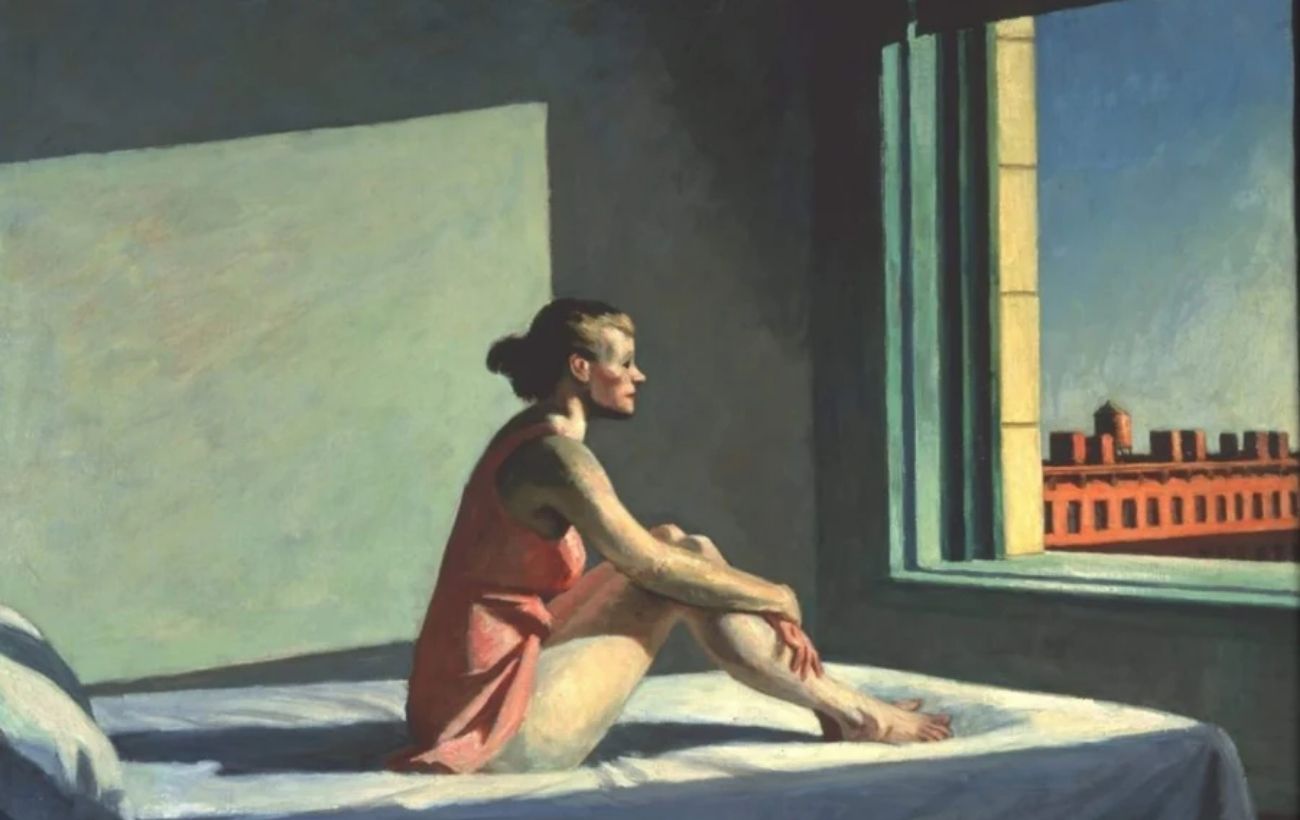
Loneliness and Spiritual Emptiness: Representations of Modern Life
Is modern loneliness a lack, or a projection of our age? From Hopper to Abramović, we trace spiritual emptiness and silent screams in art.
Art & Seeing ·
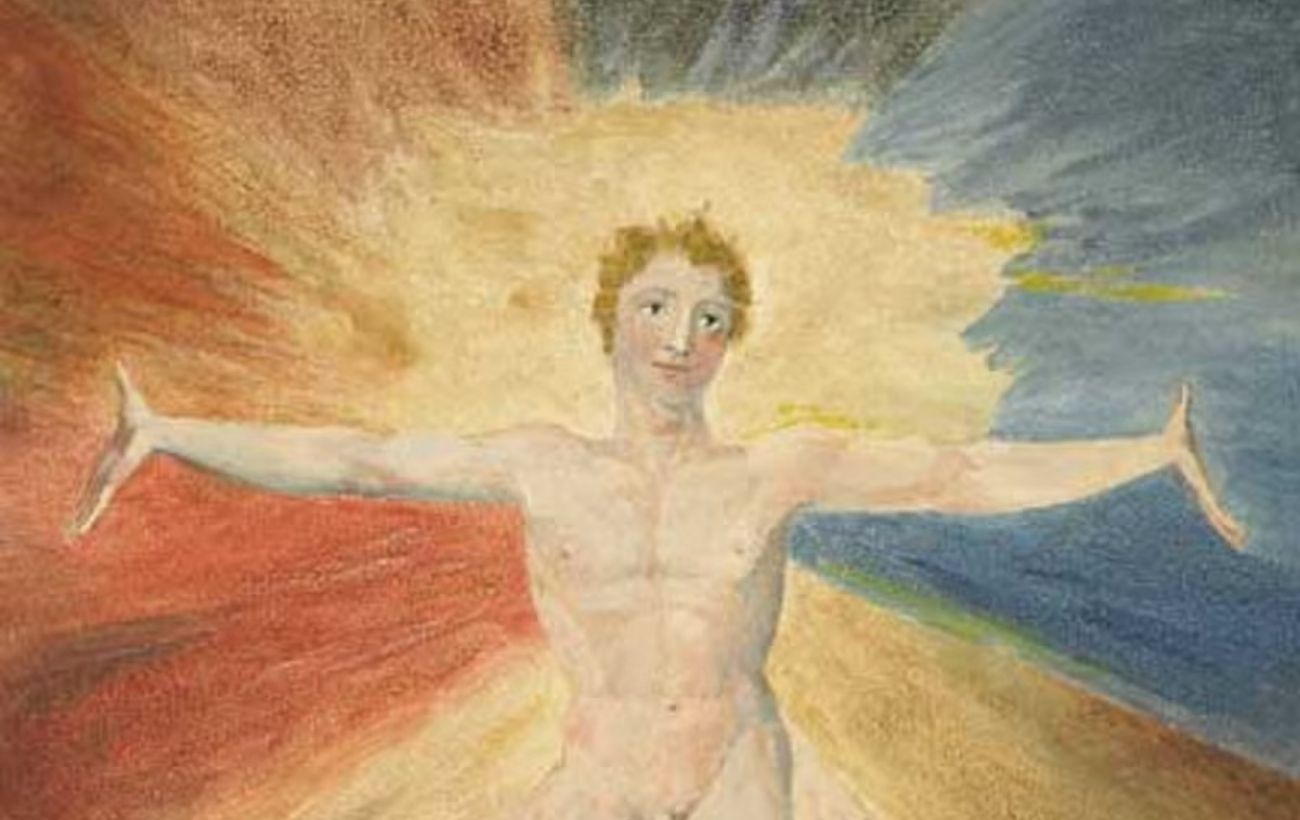
The Spring That Blossoms Within: Rebirth
“In the midst of winter, I found there was, within me, an invincible summer.” From Camus to Kahlo, we explore the aesthetics of being reborn from the places where we broke.
Art & Seeing ·
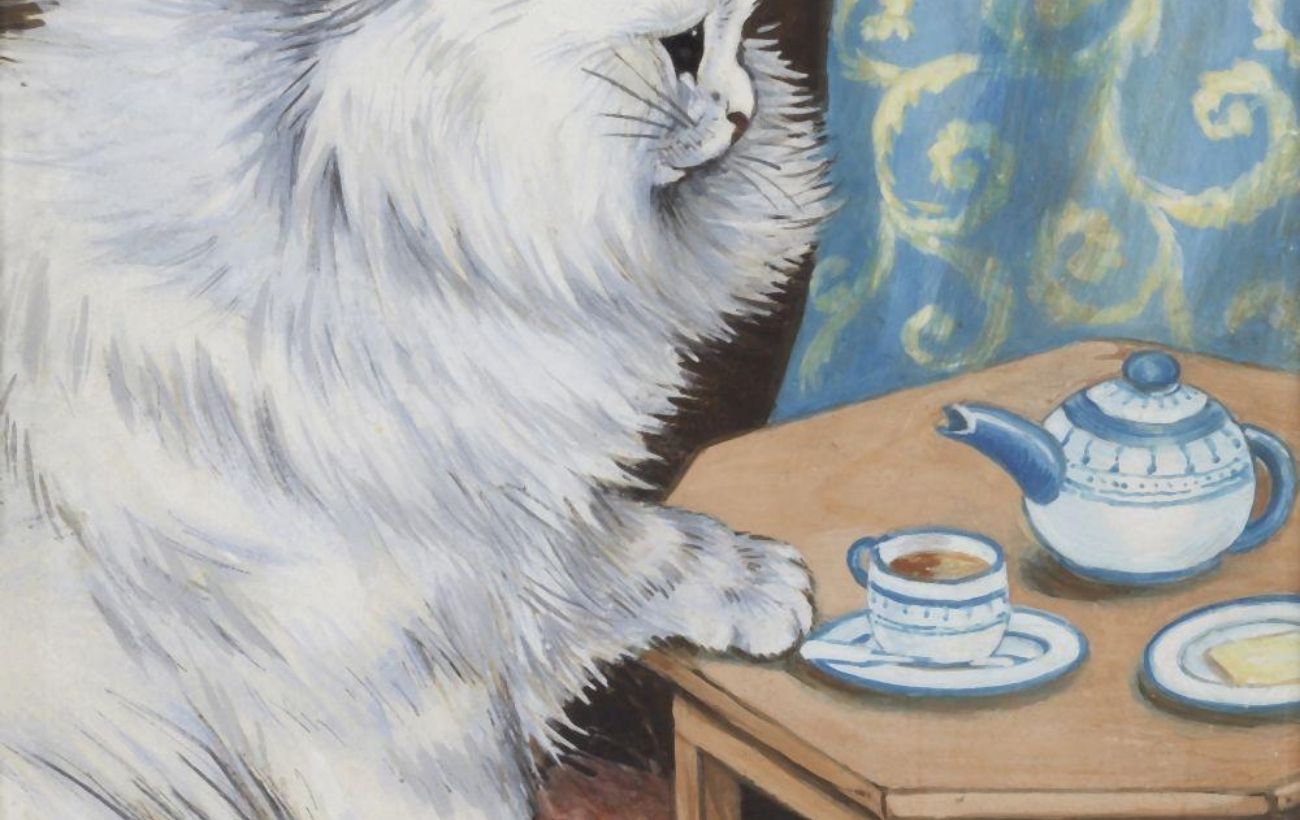
A Universe Built with Cats: Wain’s Inner World
Louis Wain’s cats are not just cute; they mirror a mind coming apart. An inner journey from anthropomorphic drawings to abstract patterns.


